
Last updated November 23, 2026
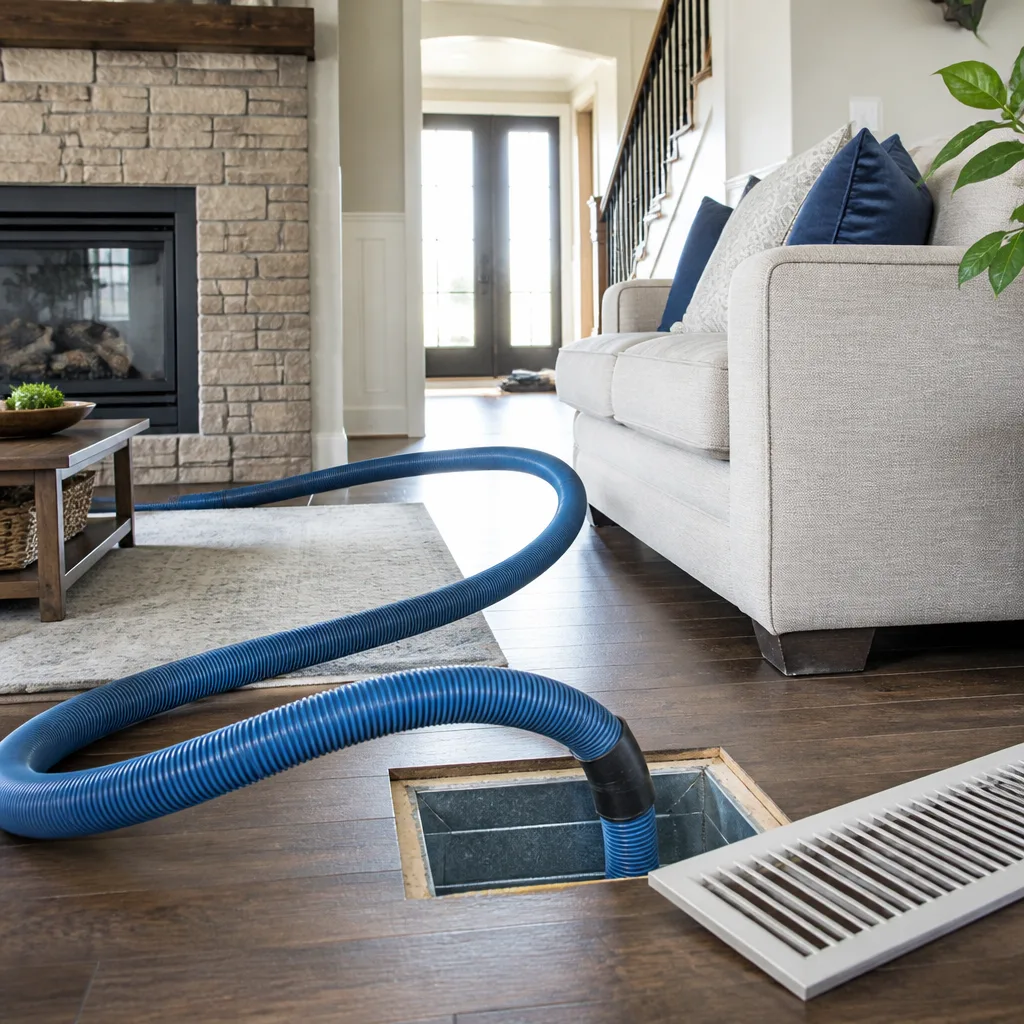 Whole-home duct cleaning
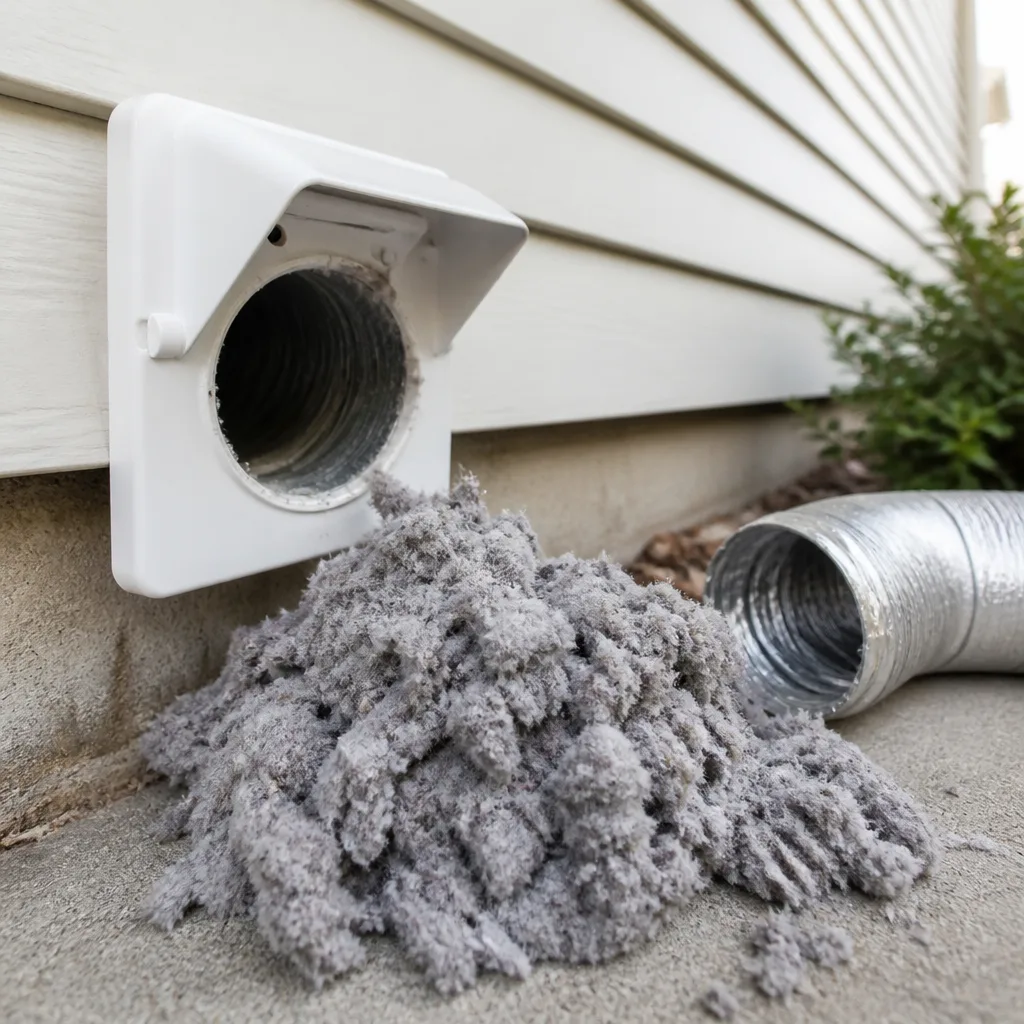 Dryer vent cleaning
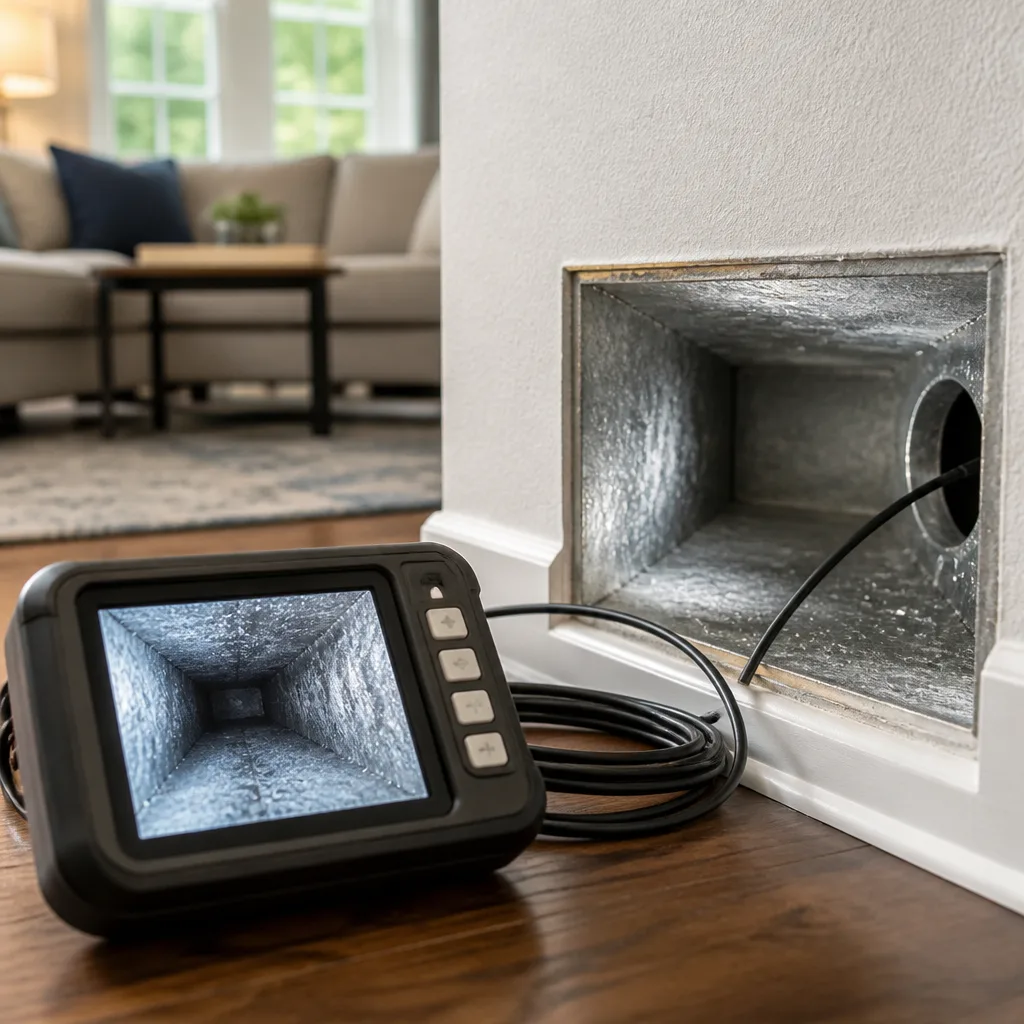 Camera inspection
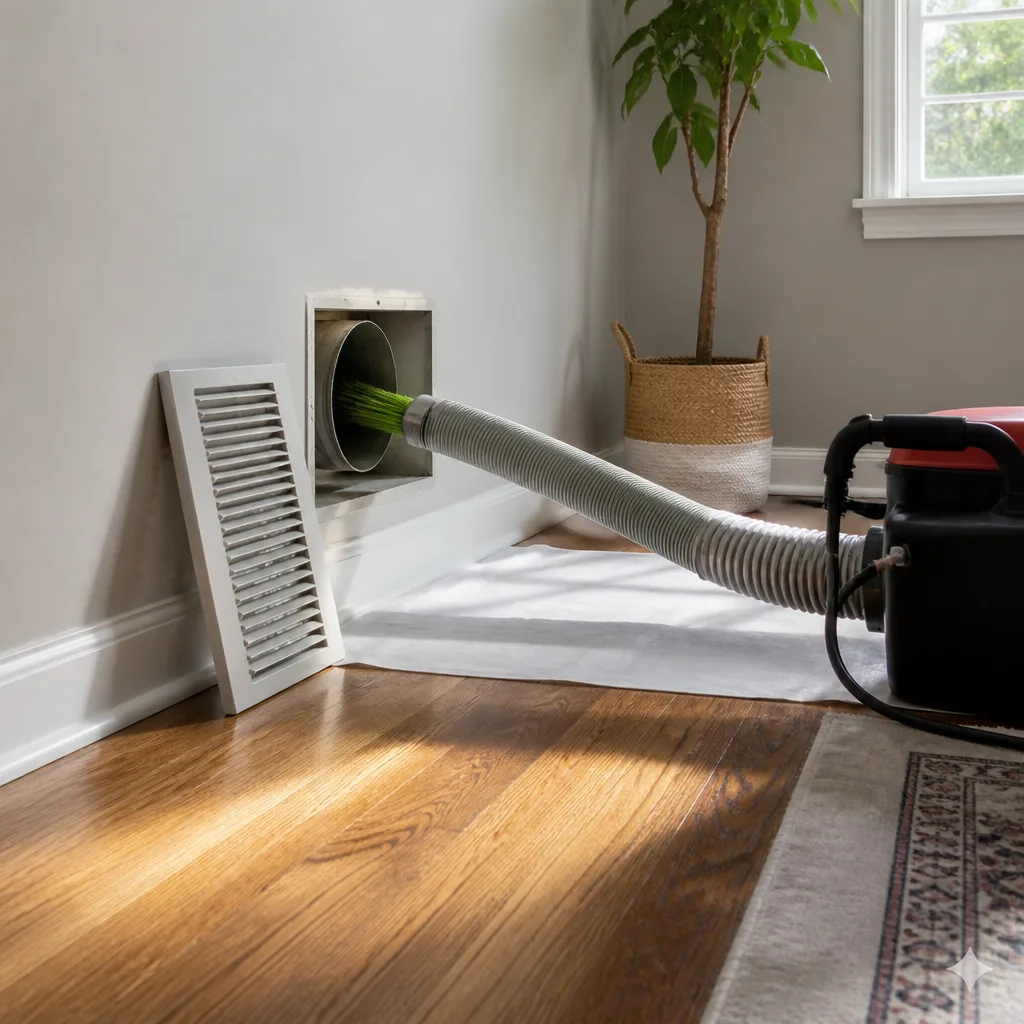 Sanitizing & deodorizing
Whole-system duct and dryer vent check with before-and-after photos - you see exactly what came out of your vents
That "$99 whole-house special" is a bait ad - the real number appears once they are in your hallway, or the "clean" is a shop-vac at the register. We photograph the inside of your ducts before and after instead.
Air Duct Cleaning Permits, Codes & Inspections in Stanton, CA: What You Need to Know
Here’s the part most homeowners don’t hear until it matters: cleaning your ducts needs no permit, but repairing them often does. The moment a technician cuts out a crushed section of flex duct, seals a joint with mastic, or opens up a plenum to reach a coil, that’s duct work modification under California rules, and it belongs to a licensed contractor working under a permit from the City of Stanton Building Division. When it doesn’t happen that way, the liability lands on you, the property owner, and it tends to surface years later during a home sale inspection. This guide walks through what’s covered, what isn’t, who’s allowed to do what in Stanton, and how to protect yourself before anyone touches your system.
Quick Answer
Air duct cleaning on its own does not require a permit in Stanton, CA. Any repair, replacement, or modification of the duct system crosses into HVAC work that requires a C-20 licensed contractor and typically a permit from the City of Stanton Building Division, and duct sealing tied to a system alteration can trigger a Title 24 duct leakage test. The homeowner, not the contractor, carries the liability when that work is done without a license or permit.
Styles & brands we work with
- Whole-home duct cleaning
- Dryer vent cleaning
- Camera inspection
- Sanitizing & deodorizing
Table of Contents
- Cleaning vs. Duct Work: Where the Legal Line Sits
- City of Stanton Building Division: What Triggers an Inspection
- California Title 24 and the Duct Leakage Test
- How to Verify a C-20 License Before You Hire
- Checking a Property’s Permit History in Stanton
- What to Document If Unpermitted Work Was Done
- What a Legitimate Duct Specialist Actually Does
Cleaning vs. Duct Work: Where the Legal Line Sits
The line is simpler than it sounds. Cleaning removes accumulated debris from inside a system that’s already built and functioning. Duct work changes that system, whether by repairing it, replacing a component, or modifying how it’s connected or sealed. One is maintenance. The other is construction under California contracting law.
In practice, a thorough cleaning job in a Stanton home routinely turns up conditions that fall on both sides of that line. We see plenty of both. A typical inspection during cleaning might reveal:
- Loose debris, dust buildup, and general contamination – cleaning scope, no permit.
- A crushed or disconnected flex duct run – repair scope, permit territory.
- Failed mastic or tape at joints and boots – sealing scope, permit territory depending on how much of the system is involved.
- Mold growth on interior duct lining – remediation scope, which may involve both HVAC licensing and, in some cases, additional requirements.
- A leaking plenum or a damaged return chase – structural to the system, definitely licensed work.
Here’s the practical problem. A lot of duct cleaning companies in the Stanton market are set up to clean and nothing else. They don’t hold a C-20 Warm-Air Heating, Ventilating, and Air-Conditioning license, which is the classification California requires for this category of work. So when they find a collapsed run in the middle of a job, the honest options are to flag it and stop, or to fix it without the credentials. The second option happens, and it happens quietly, because it’s fast and the homeowner doesn’t know to ask. The fix looks fine for the moment. The permit record doesn’t exist. That’s the gap this guide is about closing.
City of Stanton Building Division: What Triggers an Inspection
Stanton is a small city, roughly twelve square miles tucked between Garden Grove, Anaheim, Westminster, and Cypress in northern Orange County. The housing stock is largely mid-century tract construction from the 1950s and 1960s, with a good share of apartments and older single-family homes that have been through multiple rounds of renovation over the decades. Duct systems in that era of construction vary widely. Some homes still have original rigid metal ductwork in the attic; others have been retrofitted with flex at some point, sometimes well, sometimes not.
When a duct system in a Stanton home is modified, the City of Stanton Building Division is the authority with jurisdiction over the permit. The department handles residential permits for mechanical work, and the categories that typically apply to duct-related projects include:
- Replacement of duct runs or sections. Swapping out a failed run is mechanical work; a permit is normally needed.
- Adding or relocating supply or return registers. Any change to the layout of the distribution system is a modification.
- Sealing work that changes the system’s leakage characteristics. We go deeper on this under Title 24 below.
- Removing or replacing a plenum, boot, or fitting. These are components of the mechanical system, not consumables.
- Mold remediation involving duct interior surfaces. The scope of this varies; ask the Building Division directly when it’s more than a small affected area.
What does not normally trigger a permit is straightforward cleaning, filter replacement, or sanitizing, provided no system components are being altered. If you want a definitive answer for your specific address, call the Building Division in Stanton directly before work begins. They’ll tell you what applies, and it costs you nothing to ask. A contractor who discourages you from making that call is telling you something.
California Title 24 and the Duct Leakage Test
California’s Title 24 energy code sets minimum efficiency and leakage requirements for HVAC systems, and duct leakage sits squarely inside that framework. When a duct system is significantly altered or replaced, the code expects the work to be verified, and that verification typically takes the form of a duct leakage test conducted to Title 24 protocol, often referred to as a HERS II duct leakage test.
The short version: after substantial duct work, an independent HERS rater pressure-tests the system and confirms the leakage rate falls within the allowed threshold. That’s a third-party verification, separate from the installer’s own inspection. It exists because duct leakage is one of the largest energy losses in a typical California home, and it’s invisible unless you measure it.
When you should expect a duct leakage test to come up:
- Sealing work that covers a substantial portion of the duct system, not just a few joints.
- Replacement of duct runs in a system covered by Title 24 requirements.
- Any alteration where the permit pulls the project into the energy code’s scope.
Here’s what this means for a Stanton homeowner in plain terms. If you hire a duct cleaning company to clean the system, find a handful of leaking joints, and seal them, the paperwork question depends on how far the sealing goes. Small, targeted sealing on a cleaning job typically sits outside the scope that triggers a HERS test. The bigger the sealing and repair scope, the more likely it is that a permit applies and a rater needs to come out afterward. If a contractor tells you that no test is ever required for sealing, ask them to put that in writing with a code citation. In our experience, that request ends the conversation quickly when it’s being made by someone without a C-20 license.
How to Verify a C-20 License Before You Hire
The C-20 classification covers Warm-Air Heating, Ventilating, and Air-Conditioning work, and it’s the classification California requires for HVAC and duct modification work in a residential setting. A company can hold a business license, carry insurance, and run a perfectly legitimate cleaning operation without it, because cleaning doesn’t require the classification. Repair does. The distinction matters because it determines what a contractor can legally do the moment something goes wrong inside your walls.
Verification takes about two minutes and requires no phone call. Do it before you book, not after:
- Open the CSLB website. The Contractors State License Board runs a public lookup at cslb.ca.gov.
- Search by license number or business name. The contractor should be able to give you the license number without hesitation.
- Confirm the classification. Look for C-20 among the active classifications. A C-36 plumbing license or a C-10 electrical license does not cover HVAC work.
- Check the status. The license must show as active, or “current,” not expired or suspended.
- Check the bond. The CSLB record lists the contractor’s bond status. If it’s not current, that’s a red flag.
- Confirm the business name matches. The name they’re operating under should match the record, or be a registered DBA of it.
One more thing homeowners in Stanton ask us about: unlicensed contracting is a specific legal problem in California, not a technicality. Under state law, an unlicensed contractor generally cannot enforce a contract for work that requires a license, and the CSLB actively pursues complaints. That’s a two-way risk, but the exposure on the homeowner’s side is real. If a future buyer’s inspector flags unpermitted HVAC work during escrow, you’re the one who has to resolve it, and the contractor is nowhere to be found.
Checking a Property’s Permit History in Stanton
If you’re buying a home in Stanton, or if you’ve owned one for a while and aren’t sure what’s been done, a permit history check is worth the effort. Unpermitted duct work is one of the more common things that turns up in older Orange County homes, partly because it’s easy to do quietly (nobody sees inside a wall or attic) and partly because prior owners often had no idea the work needed a permit.
How to check a property’s permit history in Stanton:
- Contact the City of Stanton Building Division. Ask to pull the permit history for your address. Records for older properties may be paper-based or incomplete, but they’ll find what exists.
- Ask specifically about mechanical permits. A record of a past HVAC or duct permit tells you work was done under jurisdiction.
- Check whether any listed permits were closed out. An open, un-finalized permit can be a complication during a sale.
- Cross-reference against the disclosure package if you’re buying. Sellers in California are required to disclose known material facts about the property, including work that’s been done without a permit.
What you’ll typically find in a 1950s or 1960s Stanton tract home is one of three patterns. Either there’s no mechanical permit on record at all, which is common in a home that’s still on original equipment; there’s a permit for a HVAC system replacement from some point in the last two decades, which is a good sign; or there’s a mix of permitted and unpermitted work, which happens after multiple rounds of renovation over the years. None of these are dealbreakers, but knowing which one you’re looking at changes how you write the offer and what you ask a duct specialist to evaluate.
What to Document If Unpermitted Work Was Done
If you suspect or confirm that a previous contractor did duct work in your Stanton home without a permit, the right move is to document and resolve, not to panic. Unpermitted work is common, and the way to protect yourself is to create a clear record. The path forward depends on whether you’re the one who hired the contractor or you’ve inherited the work.
Steps to take if unpermitted duct work was done to your property:
- Get a written evaluation from a licensed C-20 contractor. Ask them to inspect the duct system, note any deficiencies, and state in writing whether the installed work meets code and Title 24 requirements.
- Photograph everything. Attic duct runs, plenums, and connection points. Date-stamped photos of the system provided documented, defensible evidence of its condition at the time.
- Contact the City of Stanton Building Division. Ask what it takes to legalize the work, which in practice usually means pulling a permit now and having the work inspected. The process is called “permit after the fact” or “permit for existing work” depending on what the building department calls it, and it’s usually manageable when the work itself is sound.
- Document any failed inspection or required corrections. Keep every record.
- Keep a running file. Contract, invoices, evaluation letters, photographs, permit records, and inspection results all belong in one folder. When you sell, that folder is what makes unpermitted work a footnote rather than a problem.
If you hired a contractor who did unpermitted work, you have additional recourse. Review your contract and the CSLB complaint process. The CSLB handles unlicensed activity complaints and can be a useful resource even when the issue is a licensed contractor who skipped the permit.
What a Legitimate Duct Specialist Actually Does
A duct specialist with a C-20 license and a permit pulled is a different animal from a cleaning-only outfit, and the difference shows up in scope. A dedicated duct specialist cleans the full system with professional-grade equipment, inspects it while doing so, and can legally repair and seal what the inspection turns up. That’s the difference between a shop-vac-and-a-website operation and a real one.
What that looks like at the equipment level matters to anyone who’s skeptical of what they’re paying for. The rotary brush systems we use (Rotobrush and Nikro among them) are the same category of equipment commercial contractors rely on for thorough mechanical cleaning, not the air-tool-and-broom approach that leaves debris behind. Negative-air machines pull dust toward the unit rather than pushing it into living space. For sanitizing work, Abatement Technologies equipment is the same class of filtration and negative-pressure gear used in mold and restoration projects.
The full scope here is broader than cleaning alone. Duct repair and sealing is where the license and permit conversation actually applies, and it’s also the part of the work most companies can’t do legally. Beyond the duct system, the same shop handles dryer vent cleaning, which is a separate fire-safety concern in a Stanton home (the same mid-century construction that produces duct complications also tends to produce long, twisting dryer vent runs). Whole-system work like HVAC cleaning covers coils, blower, and cabinet components, and the duct-side cleaning is what most homeowners imagine when they search for air duct cleaning. All of it runs off the same professional-grade equipment.
What that means for a homeowner walking through the permit question: a specialist can give you one honest answer about what’s a cleaning job and what’s a permitted repair, because they’re set up to do both. A cleaning-only company is structurally inclined to minimize the repair scope, not because they’re dishonest, but because they can’t legally do the work. The question is whether the homeowner hears that distinction before the invoice arrives. If you’re evaluating a duct specialist in Stanton and want the straight answer, call Stanton Air Duct Cleaning Pros or call (877) 820-9417. Our technicians have up to 13 years of experience and can tell you what scope applies.
Common Mistakes to Avoid
- Assuming “no permit needed” applies to everything. Cleaning? No permit. Repair? Typically a permit. The two are separate things, and a duct specialist who blurs them into “all one price, all one visit” is telling you they haven’t done the analysis.
- Hiring a cleaning company to do repair work. A cleaning-only operation without a C-20 license can’t legally do duct modification work. If they offer to “fix it while we’re here,” ask to see the license classification on the CSLB lookup before you agree.
- Letting the sealing scope creep without asking about Title 24. A few joints is one thing. A substantial sealing project that touches a large portion of the system may pull the work into Title 24 territory, including a HERS II duct leakage test afterward. Ask the contractor to confirm the scope and explain whether a leakage test is needed.
- Never checking permit history before buying a Stanton home. In a 1950s or 1960s tract home with multiple rounds of renovation, unpermitted duct work is common. The City of Stanton Building Division can pull records; the seller’s disclosure package should tell you what they know.
- Skipping the CSLB lookup. The Contractors State License Board’s public database is free and takes two minutes. A legitimate contractor expects you to check, and welcomes the question.
- Not documenting work that’s already been done. If you’ve inherited unpermitted duct work or unpermitted sanitizing treatments, photograph the system, get a written evaluation from a licensed contractor, and keep a single folder of records. That folder is what you’ll be glad you have at resale.
- Confusing a general HVAC company with a duct specialist. Duct cleaning is a side service at many HVAC shops. The equipment, the scope, and the permit knowledge that matters on duct work are the specialty, not a checkbox on a longer menu.
See the difference
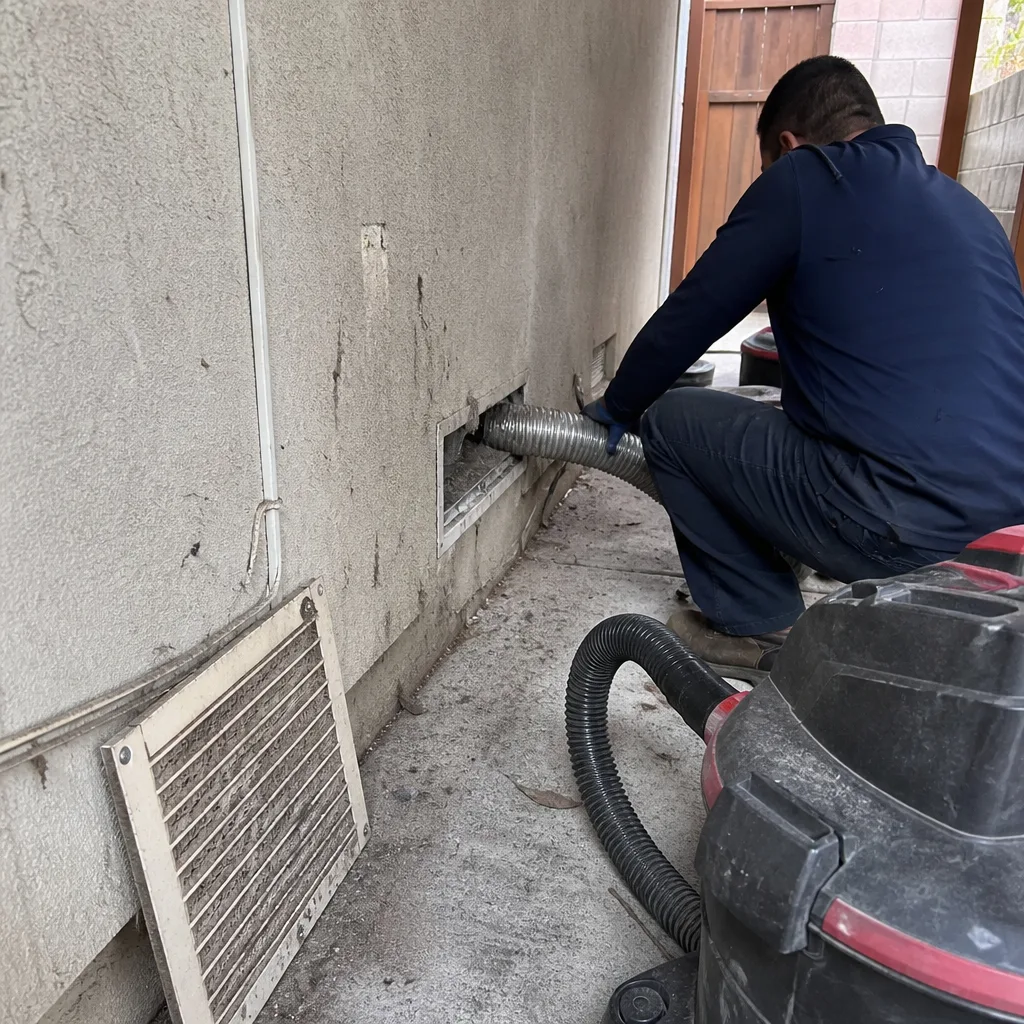 Before
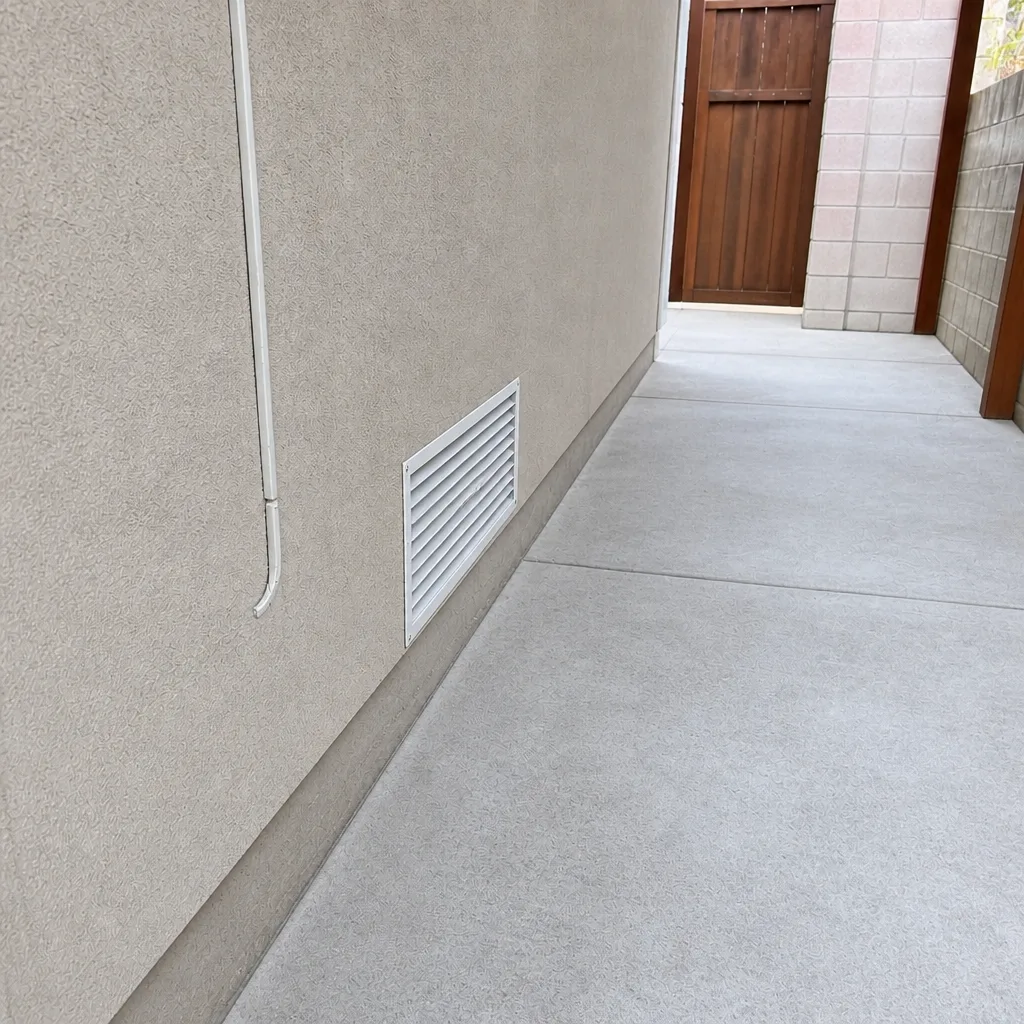 After
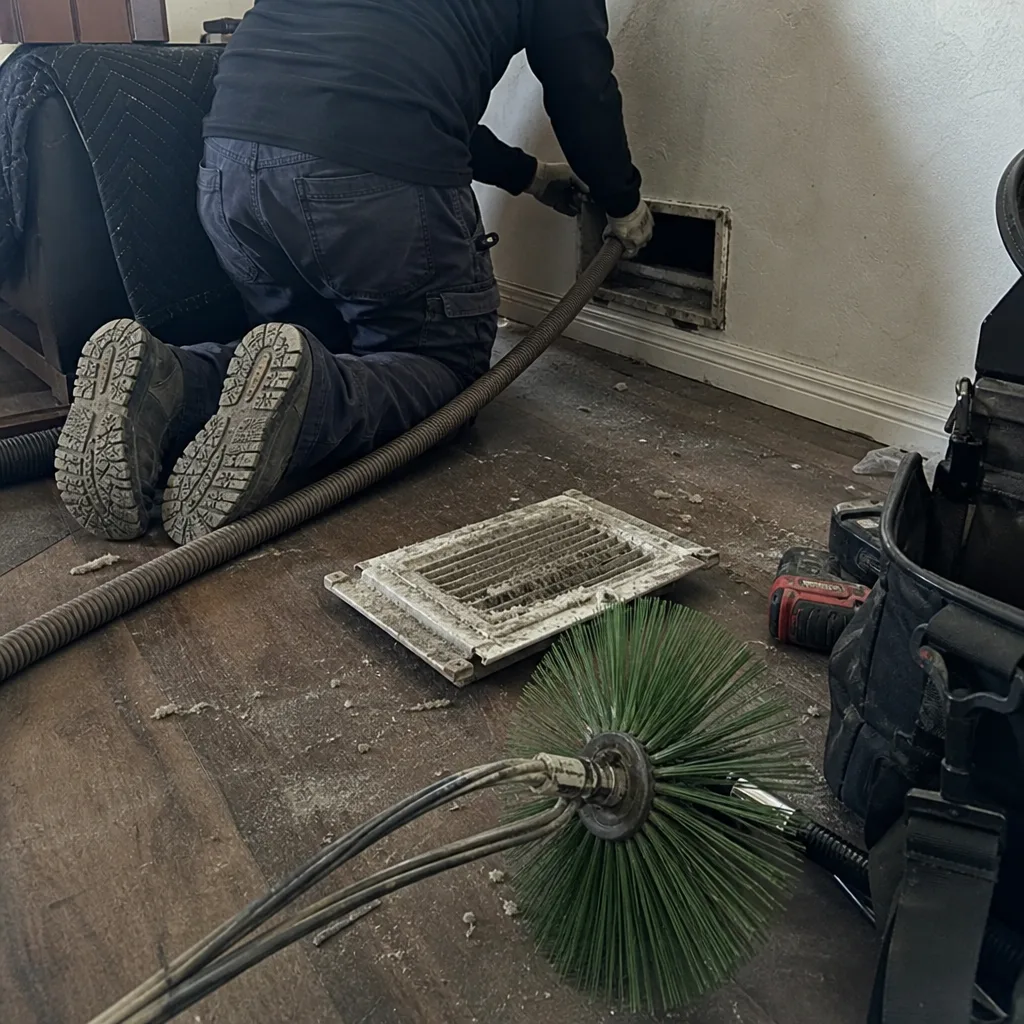 Before
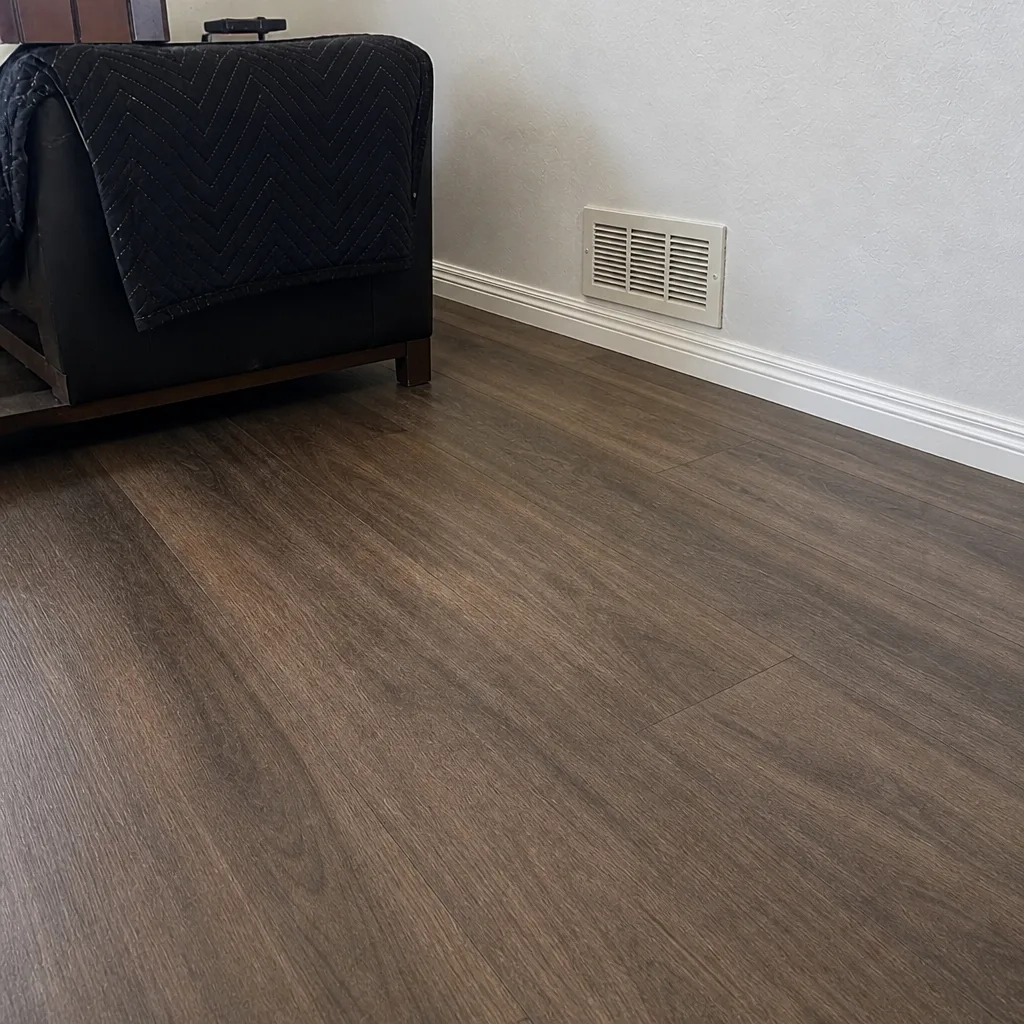 After
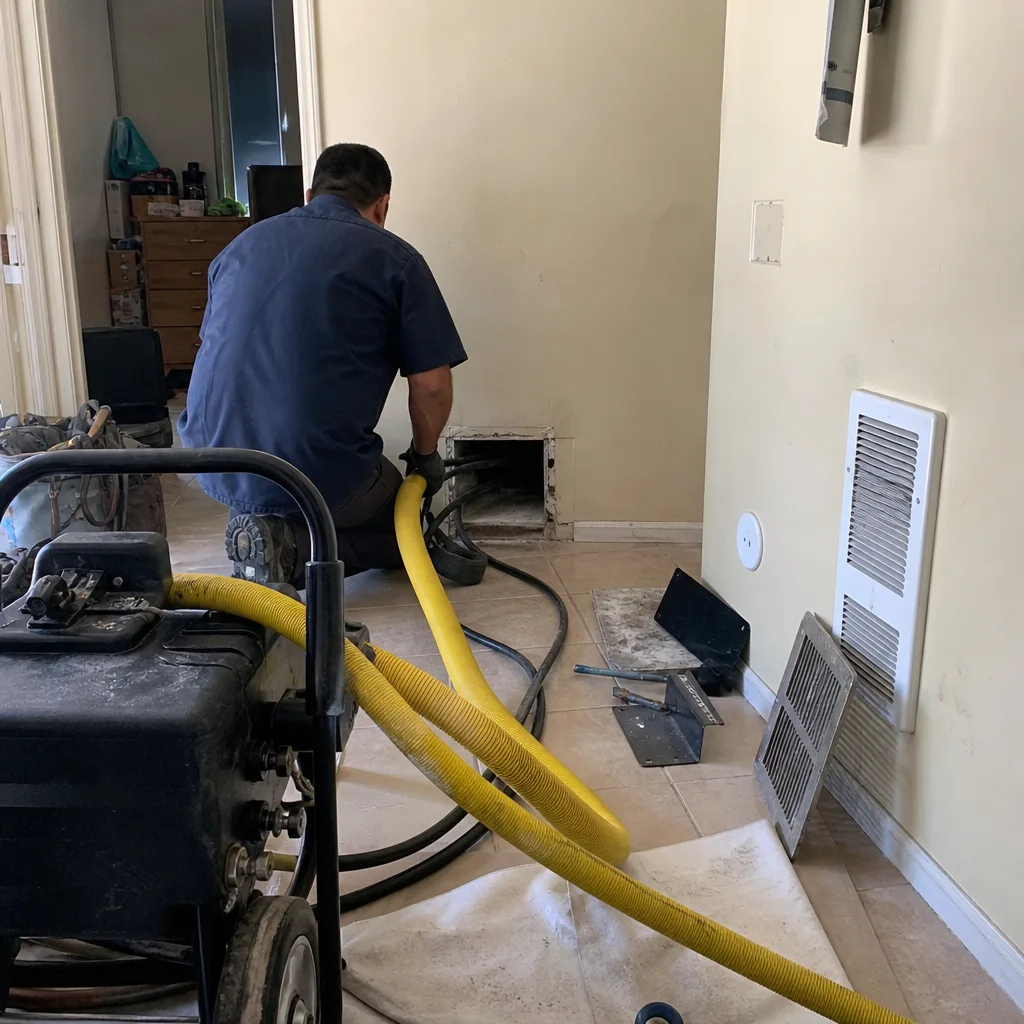 Before
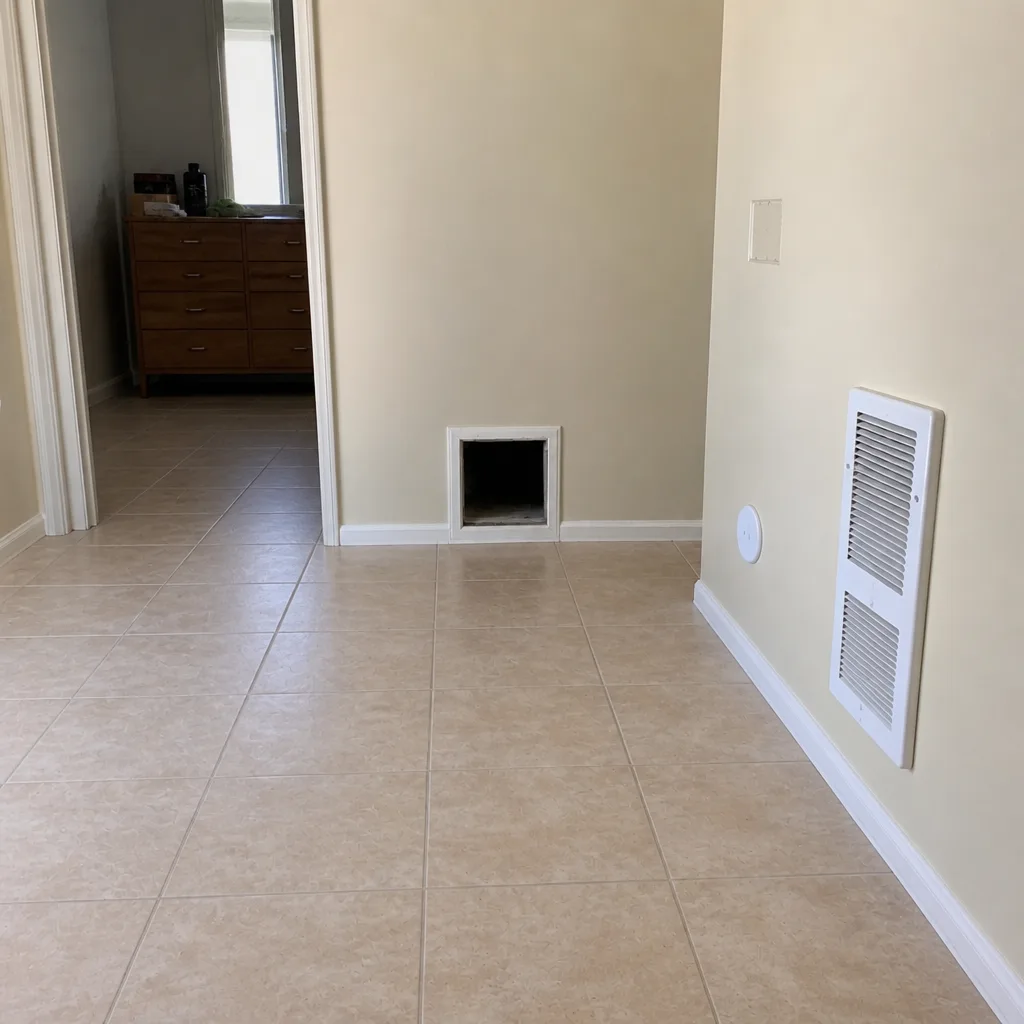 After
When to Call a Professional
If you’re not sure whether your duct situation is a cleaning job or a repair job, that’s the moment to call. There’s no way to tell from inside the house. The system lives in the attic, in wall chases, and behind the registers, and the difference between a maintenance issue and one that needs a permit is visible only to someone who’s up there with a flashlight and a license. If you’ve noticed a musty smell when the system kicks on, a room that never warms or cools like the rest of the house, a recent spike in energy bills with no other explanation, or a home inspection that flagged duct issues, those are all reasons to get a professional opinion. If you’re buying a Stanton home and the permit history shows no mechanical permits, get the ducts evaluated before you negotiate. We offer free estimates in Stanton. Call (877) 820-9417. We answer 24/7. Fast dispatch from 7am to 7pm, Sunday through Friday. The local pro is licensed and insured as their state requires, and the estimate comes in writing with one flat price per system, agreed before any work starts.
Frequently Asked Questions
Cleaning alone does not require a permit in Stanton. Cleaning removes accumulated debris from an existing system without modifying it, which puts it outside the scope of work that requires a permit from the City of Stanton Building Division. Repair, replacement, or modification of duct components does require a permit, and the contractor doing it needs a C-20 license. If a duct specialist quotes a cleaning job and then finds repair items, the scope question needs a separate answer before work proceeds. Call (877) 820-9417 for a free estimate and a straight answer on scope.
The C-20 Warm-Air Heating, Ventilating, and Air-Conditioning classification covers HVAC system work, which includes duct modification and repair in residential applications. A duct cleaning company can operate legally without a C-20 as long as it’s cleaning only. The moment repair, replacement, or modification enters the scope, the C-20 requirement applies. Always verify via the CSLB lookup at cslb.ca.gov before hiring. Call (877) 820-9417 for an honest scope evaluation on your Stanton duct system.
A duct leakage test, typically a HERS II test conducted by an independent rater under Title 24 protocol, is required when duct work triggers energy code compliance, most commonly when a substantial portion of the duct system is sealed, replaced, or otherwise modified. Small, targeted sealing during a routine cleaning job often sits outside that scope. The exact threshold depends on the permit and how much of the system the work covers, so confirm with the City of Stanton Building Division on your specific project. Call (877) 820-9417 to discuss what your job will actually require.
Contact the City of Stanton Building Division and ask to pull the permit history for your address. Records for older properties may be incomplete, but a mechanical permit history is usually findable. Ask whether any listed permits were closed out and finalized, and if you’re in escrow, cross-reference against the seller’s disclosure package. A duct specialist can also inspect the system and tell you whether visible conditions suggest work that should have been permitted but wasn’t. Call (877) 820-9417 for a free duct evaluation.
You’re not stuck, but you need to document and resolve. Get a written evaluation from a licensed C-20 contractor confirming whether the installed work meets code and Title 24 requirements, photograph everything, and contact the City of Stanton Building Division about legalizing the work, which usually means pulling a permit now and having the work inspected. Keep every record in one file. That file matters at resale. If the work is sound, legalizing it is usually a manageable process. Call (877) 820-9417 for an evaluation before any of that gets harder.
It may not be routine. Duct cleaning quotes that come in high often reflect conditioning found during the initial inspection: crushed runs, disconnected sections, failed seals, or contamination that needs sanitizing under Guardsman-grade protection standards. Whole-system pricing accounts for what the system actually needs, not just register cleaning. The honest approach is one flat price per system, agreed in writing before work starts, with the scope spelled out in the quote. That’s how estimates should read. Call (877) 820-9417 for a free estimate on your Stanton system.
The Bottom Line
Cleaning is one thing, repair is another, and Stanton homeowners get caught in the gap when a cleaning-only company does repair work without a C-20 license or a permit. Know the difference before you hire. Verify the license on the CSLB lookup. Ask about Title 24 and duct leakage testing when sealing or replacement enters the scope. Check the City of Stanton Building Division records on any Stanton home you’re buying, especially older tract properties from the 1950s and 1960s. And document any unpermitted work you inherit. One flat price per system, agreed in writing, in a scope that tells you what’s cleaning and what’s permitted work. That’s the standard.
Stanton Air Duct Cleaning Pros focuses entirely on indoor air quality: cleaning, sealing, repairing, and sanitizing the full duct system with professional-grade Rotobrush, Nikro, and Abatement Technologies equipment, and systems compatible with Honeywell and Aprilaire air quality components. Our technicians have up to 13 years of experience. For a free estimate on your Stanton home, call (877) 820-9417. We answer 24/7. Fast dispatch from 7am to 7pm, Sunday through Friday.
Written by the team at Stanton Air Duct Cleaning Pros.