
Last updated November 23, 2026
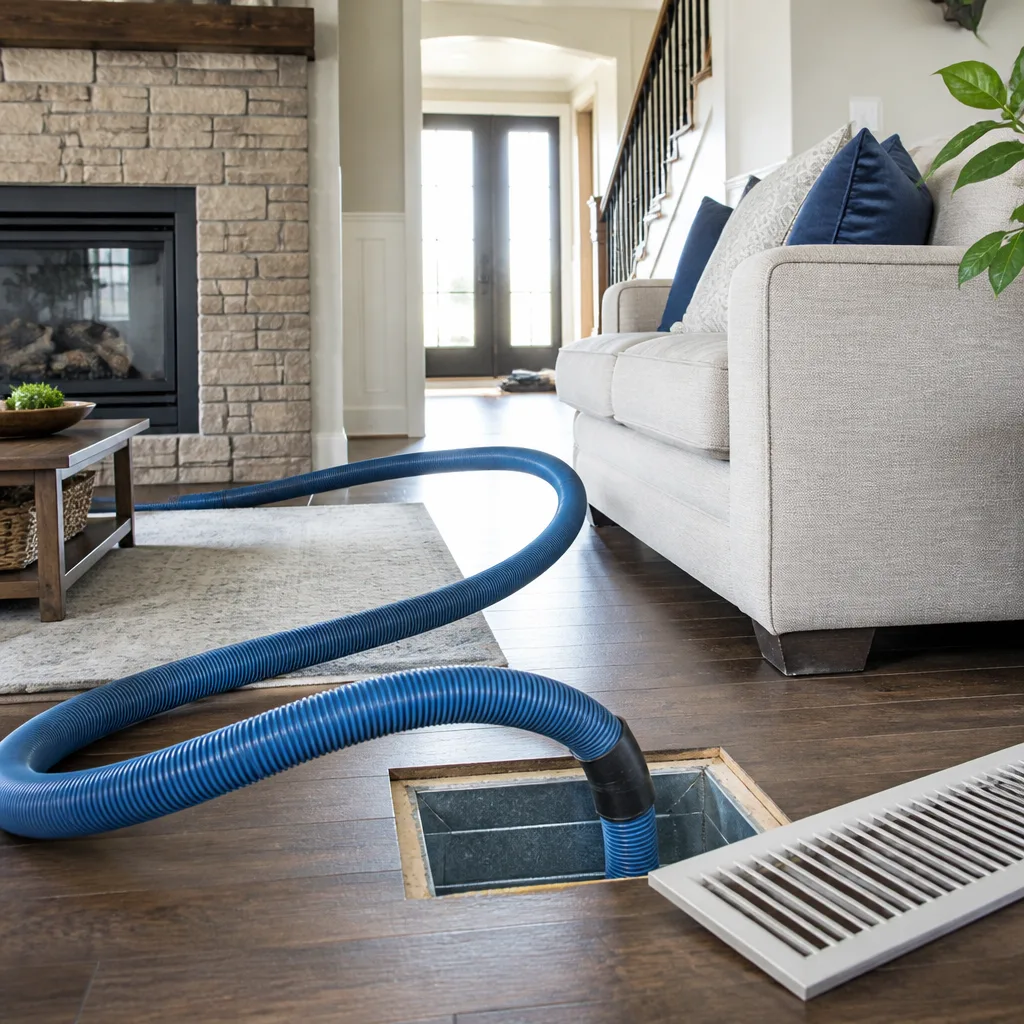 Whole-home duct cleaning
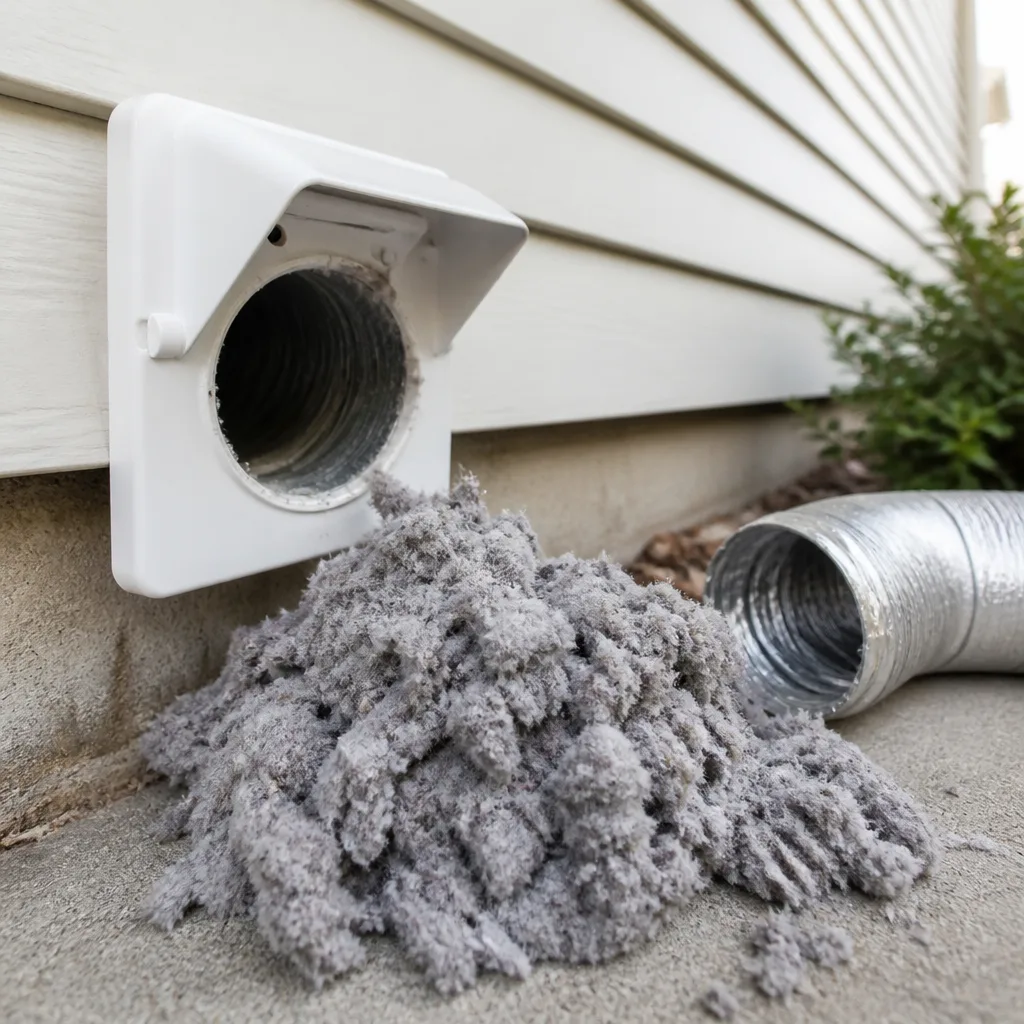 Dryer vent cleaning
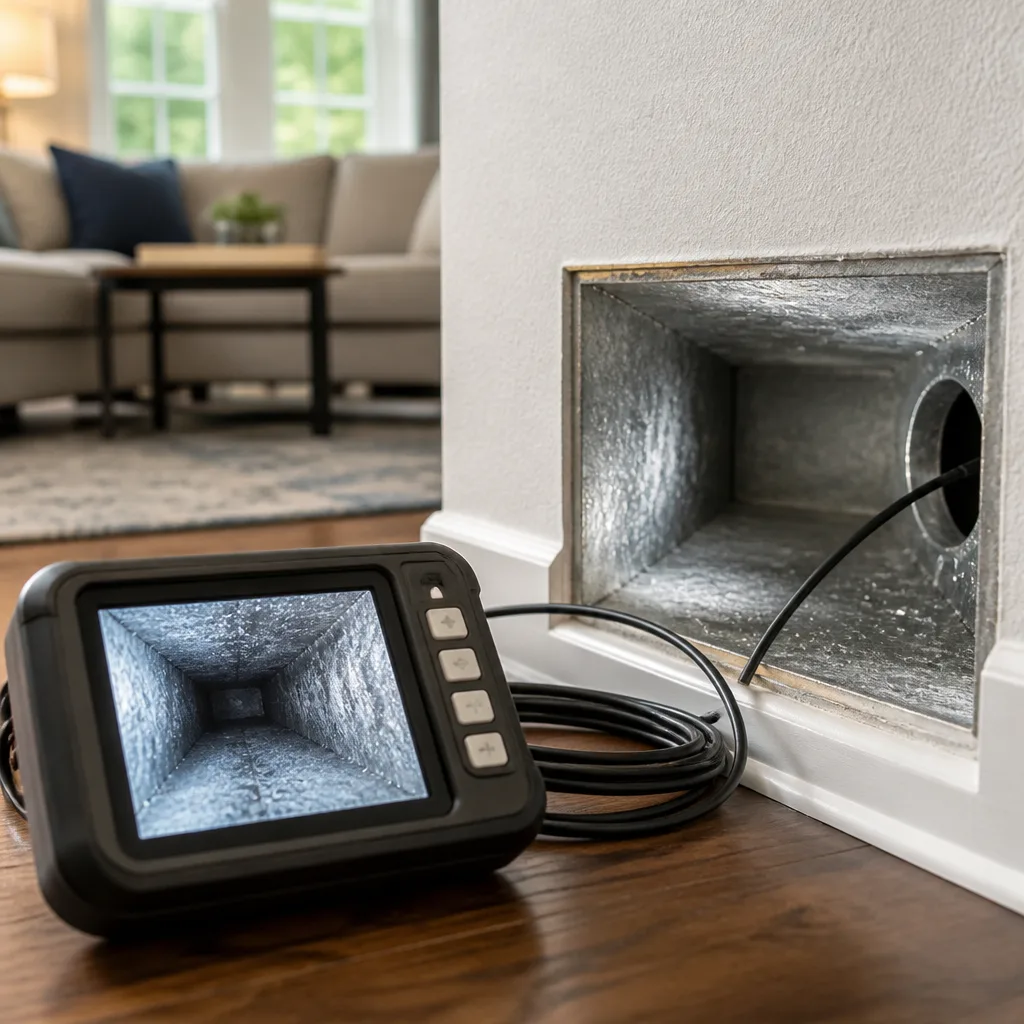 Camera inspection
 Sanitizing & deodorizing
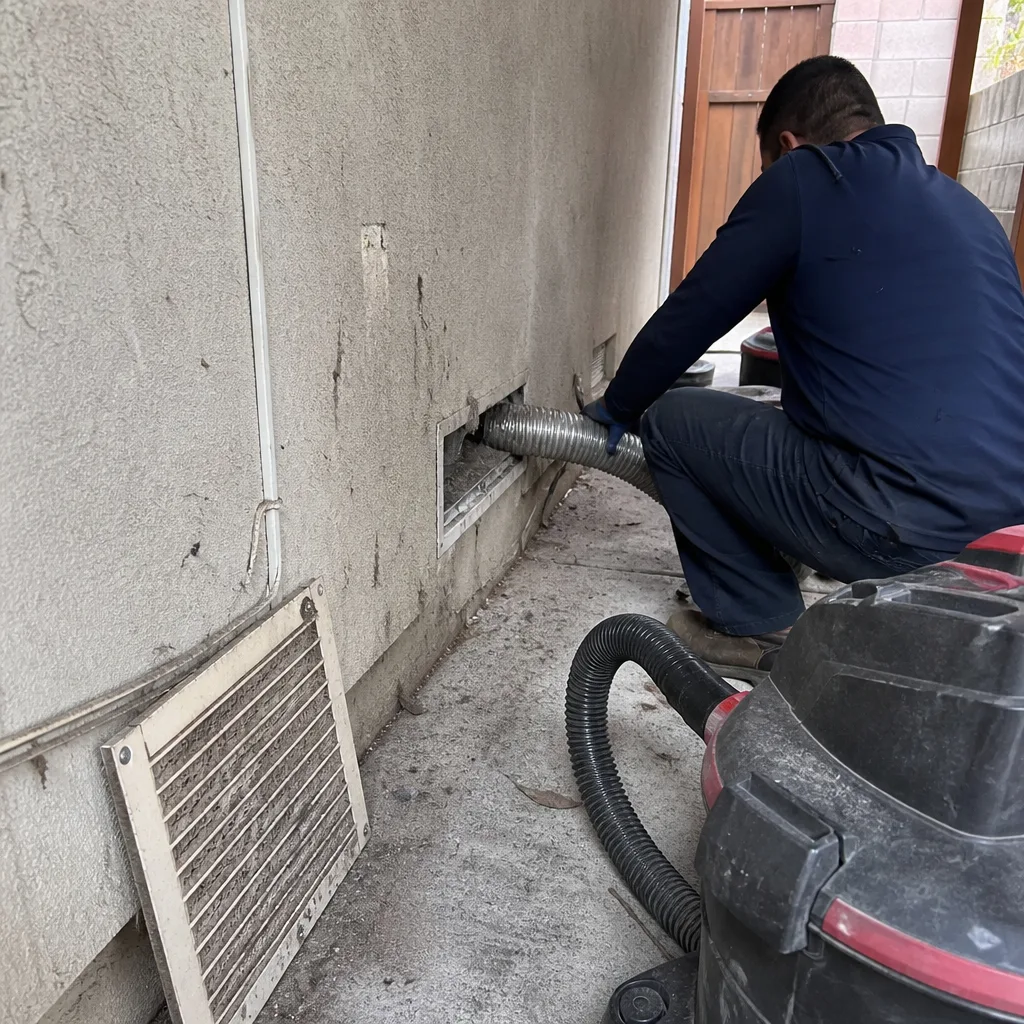
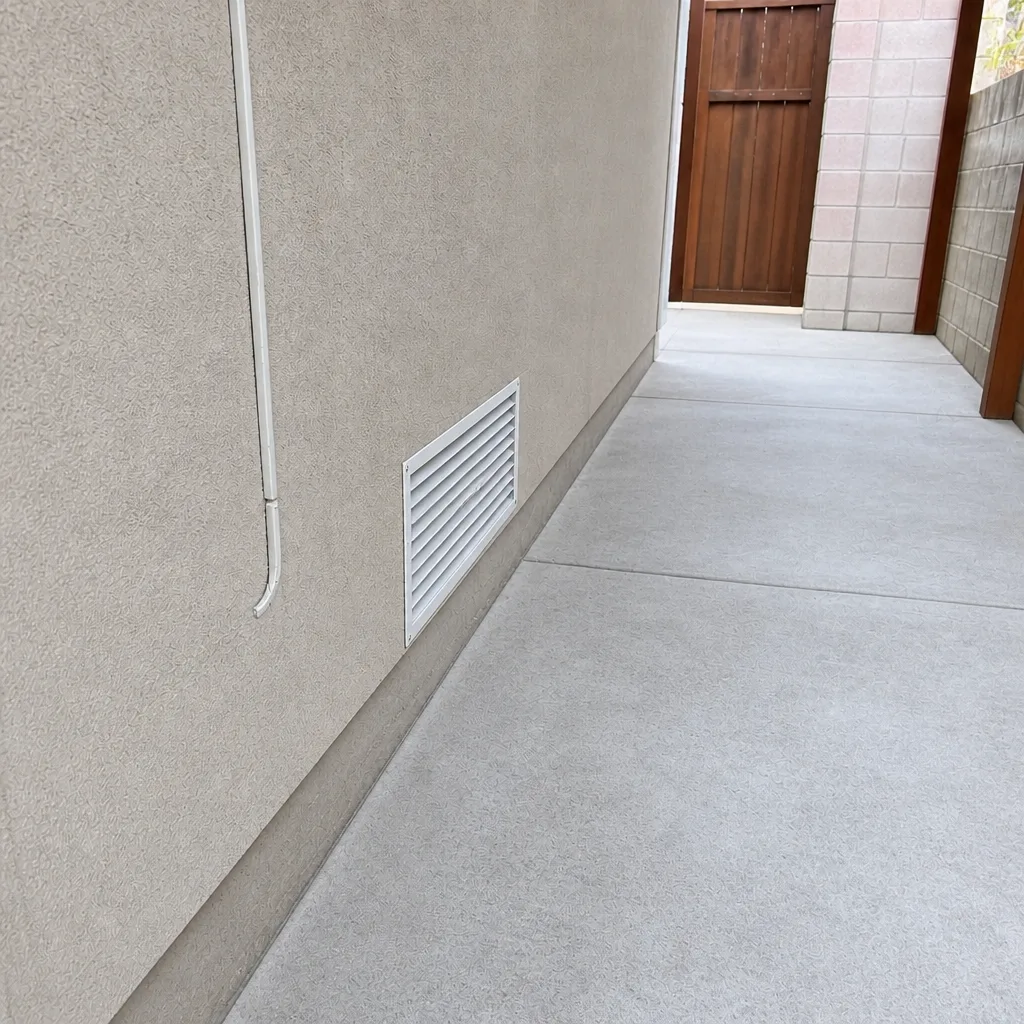
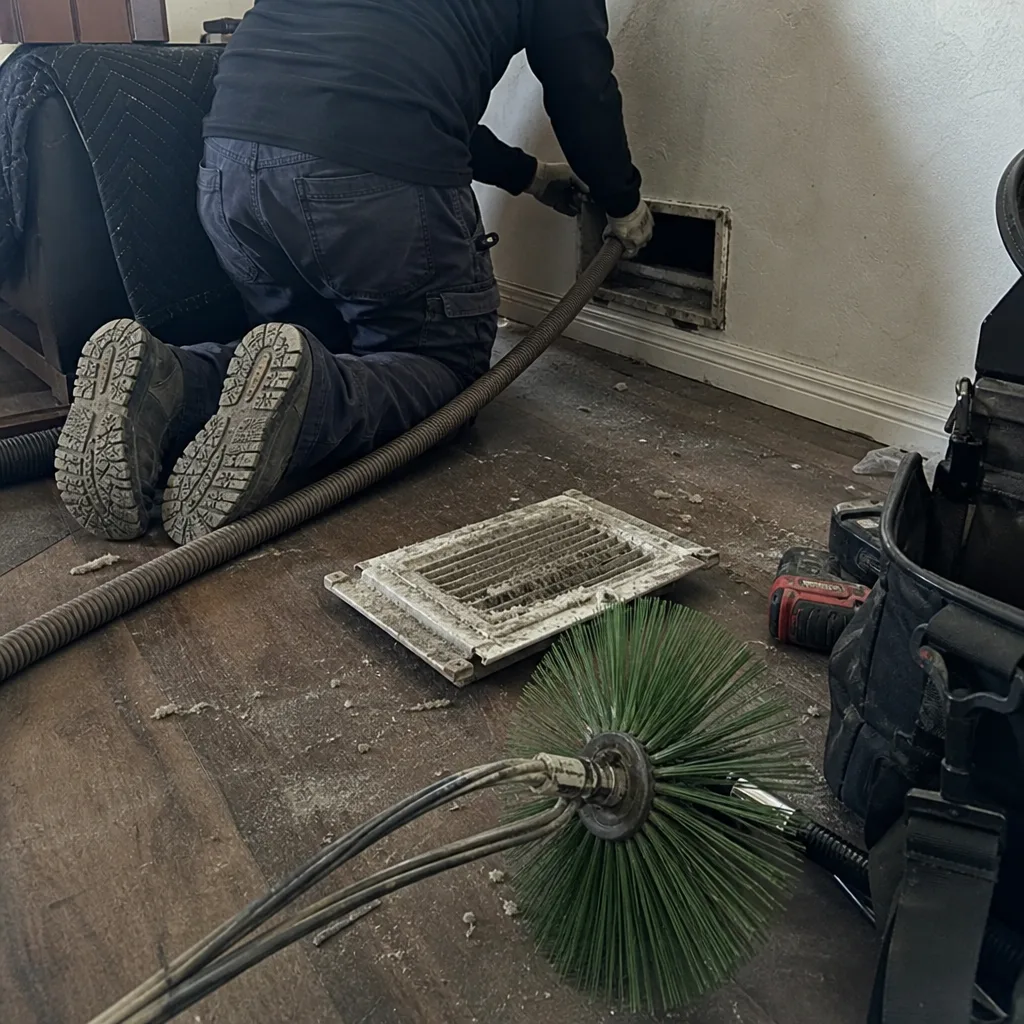
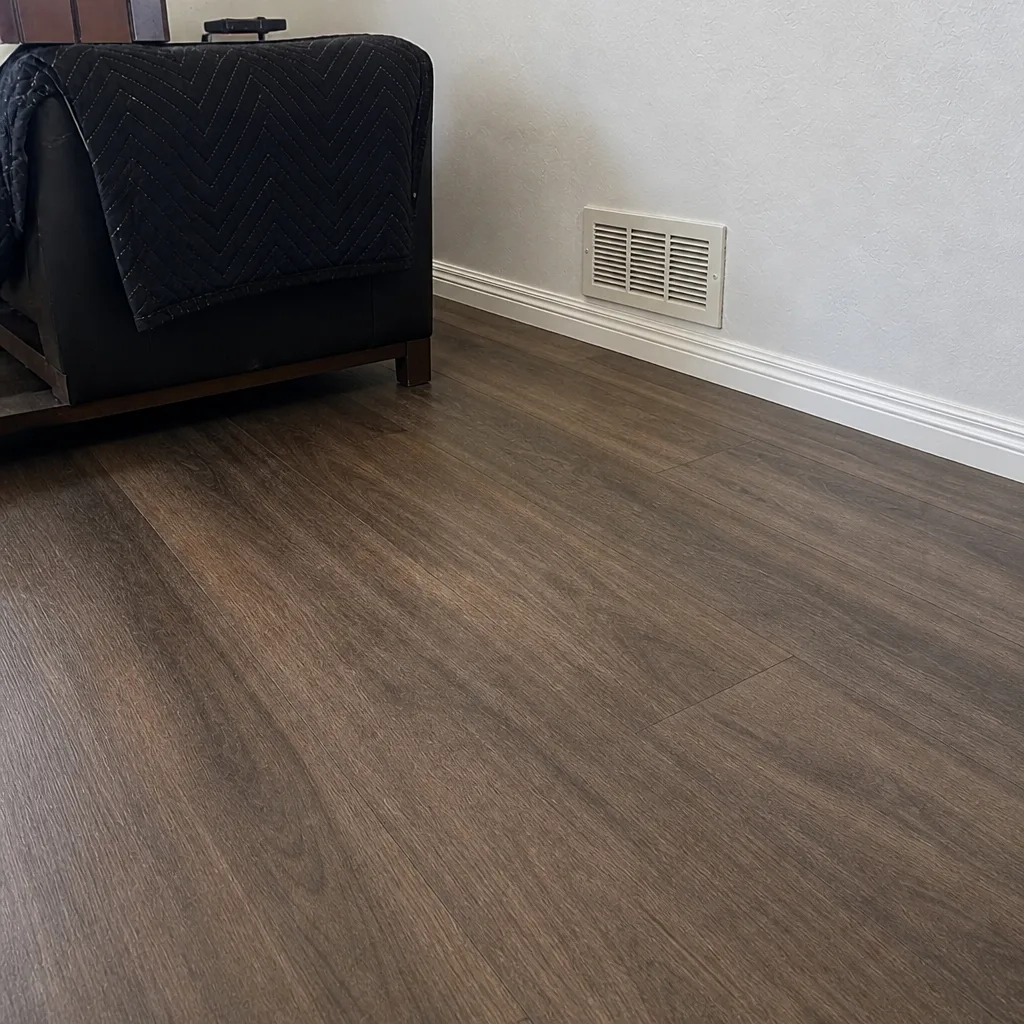
Whole-system duct and dryer vent check with before-and-after photos - you see exactly what came out of your vents
That "$99 whole-house special" is a bait ad - the real number appears once they are in your hallway, or the "clean" is a shop-vac at the register. We photograph the inside of your ducts before and after instead.
Air Duct Cleaning Cost Breakdown: The Stanton Homeowner’s Reference for 2026
Two quotes for duct cleaning on the same Stanton home can land $450 apart and both be legitimate. One reflects a whole-system job with negative-pressure containment, rotary agitation, and a documented before-and-after record. The other reflects a shop-vac and an hour of register wiping dressed up as a service. Most homeowners have no framework to tell these apart, so they default to whichever number is lower, then discover the gap the hard way. In this guide we break down what drives real cost in Stanton, what a full-service job actually includes phase by phase, and what a 1,500, 2,000, or 2,500 sq ft home should expect to run in 2026. You’ll finish with a checklist you can hold up against any quote.
Quick Answer
Air duct cleaning in Stanton typically runs $350 to $800 for a whole-system job in 2026, depending on home size, number of returns, and duct material. A 1,500 sq ft home with standard tract construction usually lands at the low end near $350 to $475, a 2,000 sq ft home around $450 to $600, and a 2,500 sq ft home in the $550 to $800 range. Per-vent quotes under $100 for the whole house are almost always teaser pricing that converts into add-on charges once the technician is on site; a legitimate job is priced per system, not per vent.
Styles & brands we work with
- Whole-home duct cleaning
- Dryer vent cleaning
- Camera inspection
- Sanitizing & deodorizing
Table of Contents
- Why Quotes Differ So Much in Stanton
- Per-Vent and Whole-System Pricing: The Real Difference
- What Legitimately Drives Cost Up or Down
- A Line-Item Breakdown of a Full-Service Job
- What Stanton Homeowners Should Expect to Pay by Home Size
- Add-Ons Worth Paying For and Upsells to Skip
- Why Equipment Makes or Breaks the Price
- How to Evaluate a Quote in Ten Minutes
Why Quotes Differ So Much in Stanton
The $299 quote and the $750 quote for duct cleaning on the same Stanton home can both be fair prices, or both be rip-offs, and the number alone tells you nothing. Real cost is driven by what the job actually entails. Negative-pressure containment with a Nikro HEPA unit costs the contractor labor hours to set up and tear down. Rotary brushing a full flex duct run takes time the brush operator cannot skip. Documenting before-and-after photos and a written system summary adds admin overhead. Strip any of that out and the price falls immediately, which is why the industry has more price spread than almost any other home service.
Stanton has its own set of conditions that show up in real quotes. Much of the housing stock here is postwar tract construction with flex duct feeding a central air handler tucked into a closet or attic chase. That configuration is straightforward to clean but easy to botch. Flex runs are short and ribbed, and a technician who doesn’t run a rotary brush with the right head pressure leaves a surprising amount of dust behind. In our experience, the biggest source of genuine cost variation in Stanton is simple: how much of the job gets done behind the register versus how much happens on the way there.
What you’ll learn in this guide: how the two main pricing models work, what a full-service job should include phase by phase, what a 1,500, 2,000, and 2,500 sq ft home should expect to pay in 2026, and how to evaluate a quote in ten minutes without needing an HVAC background.
Per-Vent and Whole-System Pricing: The Real Difference
Per-vent pricing charges you per register, per return, and per square foot, which means the contractor gets paid more when a house has more vents to touch. Whole-system pricing charges one flat fee for the entire duct system regardless of how many registers are involved. The models look similar in a sales pitch; they behave very differently once the truck is in your driveway.
How per-vent pricing creates a bad incentive
Per-vent pricing pays the contractor by branch. That’s not inherently dishonest, but it rewards speed on each register over thoroughness on the system as a whole. In a Stanton home with nine supply registers and one central return, a per-vent quote treats the return as almost free, even though the return plenum and filter grille are usually the dirtiest stretch of the whole system. It also gives the technician an incentive to skip the air handler, the blower wheel, and the plenum, because none of those are “vents.”
How whole-system pricing aligns the incentive
Whole-system pricing charges once and covers everything: plenum to register, return grille to air handler, plus the coil and blower housing. The contractor’s profit is baked into the total, so there’s no math working against a thorough job. In our experience at Stanton Air Duct Cleaning Pros, whole-system pricing is also easier for homeowners to compare across quotes because you’re evaluating one number against one scope, not nine per-vent numbers against nine different scopes.
The tell: a per-vent quote that comes out below $99 for a typical Stanton house is almost always a loss leader. The real invoice materializes after the technician is inside and discovers “mold,” “blockage,” or “contamination” that requires add-ons. A legitimate whole-system quote comes with a written scope and one flat price for the whole job. You can see the rest of our air duct cleaning process for comparison.
What Legitimately Drives Cost Up or Down
Not every price difference is a red flag. Below are the six factors that legitimately push a Stanton duct cleaning quote up or down, in roughly the order they matter.
- Home square footage. More square footage means longer duct runs and, usually, more registers. A 1,500 sq ft Stanton tract home might have six supplies and one return; a 2,500 sq ft home can have twelve supplies and two returns. Both are whole-system jobs, but the labor hours are not the same.
- Number of returns. Returns move the most air and catch the most dust. Each additional return in a Stanton house adds setup, brushing, and documentation time. Homes with two returns land higher than homes with one.
- Accessibility of the air handler. A handler in a hallway closet with a clean panel costs less to clean than one wedged into an attic crawlspace with a restrictive hatch. Attic and crawlspace access typically adds $50 to $150 to a quote depending on difficulty.
- Duct material. Flex duct is the quickest to clean well and therefore the least expensive. Rigid sheet metal is durable but takes longer to brush and seal. Duct board, still present in some of the older Stanton stock, needs a gentler touch and can add labor. Material is the variable most homeowners don’t think to ask about and it’s one of the biggest reasons two quotes on similar-sized homes diverge.
- System condition. A system that’s never been cleaned, or was cleaned with a shop vac years ago, can take double the extraction time. Systems with visible debris piles at the plenum or rodent activity add hours.
- Repair and sealing needs. Flex ducts in Stanton crawlspaces and attics can be torn, disconnected, or crushed from years of service techs stepping on them. Repair and sealing is a separate line item, and it’s what separates a proper indoor air quality specialist from a pure cleaner.
The bottom line: when you compare two Stanton quotes, ask about square footage, registers counted, air handler access, duct material, and whether repair and sealing is included. Two quotes that match on all five should be within a few hundred dollars of each other. Two quotes that differ by 300% almost certainly don’t match on all five.
A Line-Item Breakdown of a Full-Service Job
Here’s what a legitimate whole-system duct cleaning looks like phase by phase, with typical 2026 Stanton market ranges for each. The phases add up to the total, which is why a $350 quote and a $700 quote really do describe two different jobs.
- Inspection and camera walk-through ($0 to included). We look at the air handler, plenums, coils, and as many duct runs as the configuration allows, often with a camera. Expect a real contract to include this at no separate charge; a contractor who bills for the inspection separately is usually signaling they’ll bill for everything.
- Negative-pressure containment setup ($50 to $100). A Nikro negative-air machine with HEPA filtration connects to the main trunk and pulls the entire system under slight negative pressure. This keeps dislodged dust from migrating into the living space. Skipping this phase is the biggest cost gap between a fair quote and a cheap one.
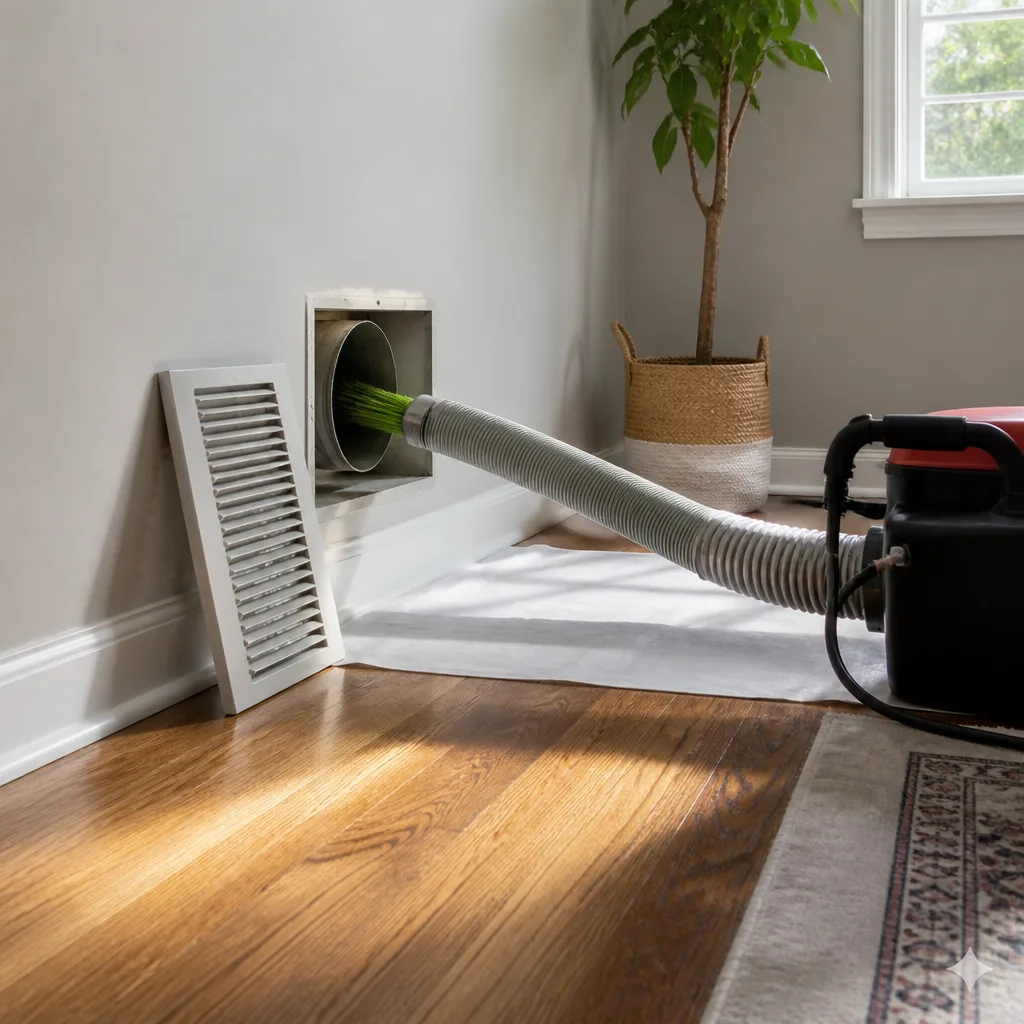
- Rotary agitation ($100 to $200). A Rotobrush rotary brush head runs through each duct run to loosen adhered material from the duct walls. This is the phase most likely to reveal flex duct connections that were never properly sealed, which is why good contractors inspect as they brush.
- Negative-air extraction ($50 to $100). While agitation is running, the HEPA unit pulls loosened material out of the system. This is the phase that turns “brushed” into “cleaned.” A contractor who only brushes and vacuums through a single register leaves most of the dislodged material in the duct.
- Register and grille cleaning ($30 to $60). Every supply and return grille comes off, gets washed, and goes back on. Small line, but it’s the difference between a job that looks done and a job that is done.
- Coil and blower cleaning ($75 to $150 when included). The evaporator coil and blower wheel pick up dust that duct cleaning alone won’t touch. Some contractors exclude it; we don’t, because a clean coil and a clean duct system belong together. See our HVAC cleaning page for scope.
- Documentation ($0 to included). Before-and-after photographs of the system, a summary of what was cleaned, and a written note of any repair or sealing needs. This is your proof the work was actually done, and it’s why we insist on it on every job.
Add those line items together and you land in the $350 to $800 range for a Stanton home, which is exactly where honest quotes fall. Anything under $299 is a phased job with line items missing. Anything over $1,000 should come with a reason (a large system, substantial repair and sealing, or a multi-system property).
What Stanton Homeowners Should Expect to Pay by Home Size
Below are the estimated 2026 ranges for standard tract-construction ductwork in Stanton. These are typical ranges for a whole-system job that includes inspection, containment, agitation, extraction, register cleaning, coil and blower cleaning, and documentation. Actual pricing depends on system condition and duct material, and the written estimate sets the final price.
| Home size | Typical supply/return layout | Estimated range |
|---|---|---|
| 1,500 sq ft | 6 to 8 supplies, 1 return, single air handler | $350 to $475 |
| 2,000 sq ft | 8 to 10 supplies, 1 to 2 returns, single air handler | $450 to $600 |
| 2,500 sq ft | 10 to 14 supplies, 2 returns, often two air handlers | $550 to $800 |
When a Stanton home lands above the range
Two conditions push a job above the estimated range. First, substantial repair and sealing: crushed flex runs, disconnected joints, or crushed trunk lines from decades of service access. Second, a second air handler and second trunk in a larger home, which effectively doubles the job. Ask any Stanton contractor whether the quote assumes a single air handler; if you have two, get that acknowledged in writing. Whole-home filtration and purification accessories from Honeywell and Aprilaire, if you have them, add another variable, but they shouldn’t move the cleaning price much by themselves.
When a Stanton home lands below the range
Below $350 for a whole-system job is rare and usually means something is missing: no negative-air containment, no rotary agitation, or registers wiped but ducts untouched. If a quote is significantly under these ranges, ask for the scope in writing before signing anything.
Add-Ons Worth Paying For and Upsells to Skip
Add-ons are where cheap quotes become big invoices. Some have real value; some exist because the base price has to be rescued somehow.
Worth paying for
- Dryer vent cleaning. A separate service with a separate job. Lint buildup in the dryer vent is a fire risk that duct cleaning itself doesn’t address. Our dryer vent cleaning covers the full length of the vent, not just the first few feet.
- Duct repair and sealing. Torn flex, disconnected joints, and crushed trunk lines are common in Stanton’s older tract homes. Sealing leaks after cleaning is what keeps the cleaned system clean and what keeps treated air from leaking into a hot attic. This is where a specialist beats a generalist handyman every time, because it takes skill to find the leaks and fix them, not just to spray a sealant.
- Coil and blower cleaning. Priced inside the base job when it’s done properly, but worth paying for if quoted separately, because a clean duct system feeding a dirty coil is half a job.
- Whole-home air sanitizing. When the system has microbial growth, pet dander accumulation, or a rodent history, a documented sanitizing treatment with proper equipment has real value. We use Abatement Technologies filtration equipment and Guardsman-grade protection standards, because “spray and pray” treatments don’t produce defensible results.
Skip
- “Mold remediation” with no documentation. Microbial growth in flex duct is possible in Stanton’s warmer months, but a contractor who points at a dark patch and quotes $500 without testing or photographs is selling fear.
- UV lights pitched as critical. UV lamps have a role in coil maintenance but they aren’t a substitute for cleaning, and they’re not a critical add-on on a healthy system. If you already have one, ask that it be cleaned as part of the visit.
- Annual “maintenance plans” you didn’t ask for. Duct cleaning isn’t an annual service for most homes. A plan that assumes it is wasn’t priced to serve you.
Why Equipment Makes or Breaks the Price
The single biggest predictor of a quote’s fairness is what equipment shows up. A dedicated indoor air quality specialist runs a truck-mounted or portable rotary agitation system and a separate HEPA negative-air unit. A generalist handyman shows up with a shop vac and compressor, both of which describe the first 30 seconds of a proper job but actively fail if used on a whole system.
Rotobrush rotary brush systems, Nikro HEPA negative-air machines, and Abatement Technologies filtration equipment are the tools commercial contractors and restoration crews use on mold and water damage. In our experience, the price difference between two Stanton quotes almost always tracks back to which of those systems is on the truck. A quote that includes negative pressure, rotary agitation, and HEPA extraction costs what it costs because that equipment does what a shop vac can’t.
Ask three questions of any Stanton contractor. What’s the model of your negative-air machine? Is it HEPA rated? Are you going to photograph the system before and after? If the answers come back vague, the quote is priced to a different standard than the one you’re actually buying. That’s the whole point of the equipment question; it’s a close enough proxy for the rest of the job. You can see how we approach the equipment side across Stanton Air Duct Cleaning Pros if you want a baseline.
How to Evaluate a Quote in Ten Minutes
You don’t need an HVAC background to sanity-check a Stanton duct cleaning quote. Here’s a short checklist that catches most of the trouble.
- Is it priced per system or per vent? Per-system is what you want; the price shouldn’t move because you have a couple more registers than the neighbor.
- Does it include negative-pressure containment? If the scope doesn’t mention negative air or HEPA extraction, the job is being priced down to a capability the contractor doesn’t have.
- Does it include coil and blower cleaning? A quote that leaves those out is not a whole-system quote.
- Does it include documentation? Ask for before-and-after photos and a written summary. If those aren’t produced, you have no way to know the work was actually done.
- Does the scope match the range for your home size? A 2,000 sq ft Stanton home quoted at $199 isn’t a value; it’s a scope reveal.
- Is the price flat and written down? One flat price per system, agreed before work starts. If the number can move once the technician is inside the house, the quote isn’t a quote.
- Does the contractor name their repair and sealing capability? A cleaner who can’t find or fix leaks will leave you with the same dust problems in six months.
Score the quote against these seven and you’ll have a clear picture within ten minutes. That’s the framework most homeowners wish they’d had before signing.
Common Mistakes to Avoid
- Comparing number to number without comparing scope. A $300 quote and a $700 quote on the same Stanton house describe two different jobs. Ask what’s included in each before deciding.
- Ignoring duct material in the conversation. Flex, rigid sheet metal, and duct board clean very differently. A Stanton contractor who doesn’t ask what your ducts are made of hasn’t thought about your house yet.
- Accepting a per-vent price on the phone. Register counts on a typical Stanton tract home can be counted by the contractor in your driveway; a phone quote per vent is a look at your wallet, not your ducts.
- Skipping the repair and sealing conversation. Cleaning a torn flex run and stopping there just refills it with attic dust. Ask what’s being done about leaks.
- Confusing “we cleaned the registers” with “we cleaned the system.” Register cleaning is one step. Coil, plenum, trunk, and branch cleaning is the job.
- Skipping the documentation ask. Before-and-after photos and a written summary are your only proof the work happened. Contractors who skip them either didn’t do the job or can’t defend it.
- Assuming the low bid wins. In Stanton’s market, the low bid is often the most expensive job once the follow-up invoice arrives. Price matters, but a flat price per system agreed in writing before work starts is worth more than $100 off the front end.
See the difference
 Before
 After
 Before
 After
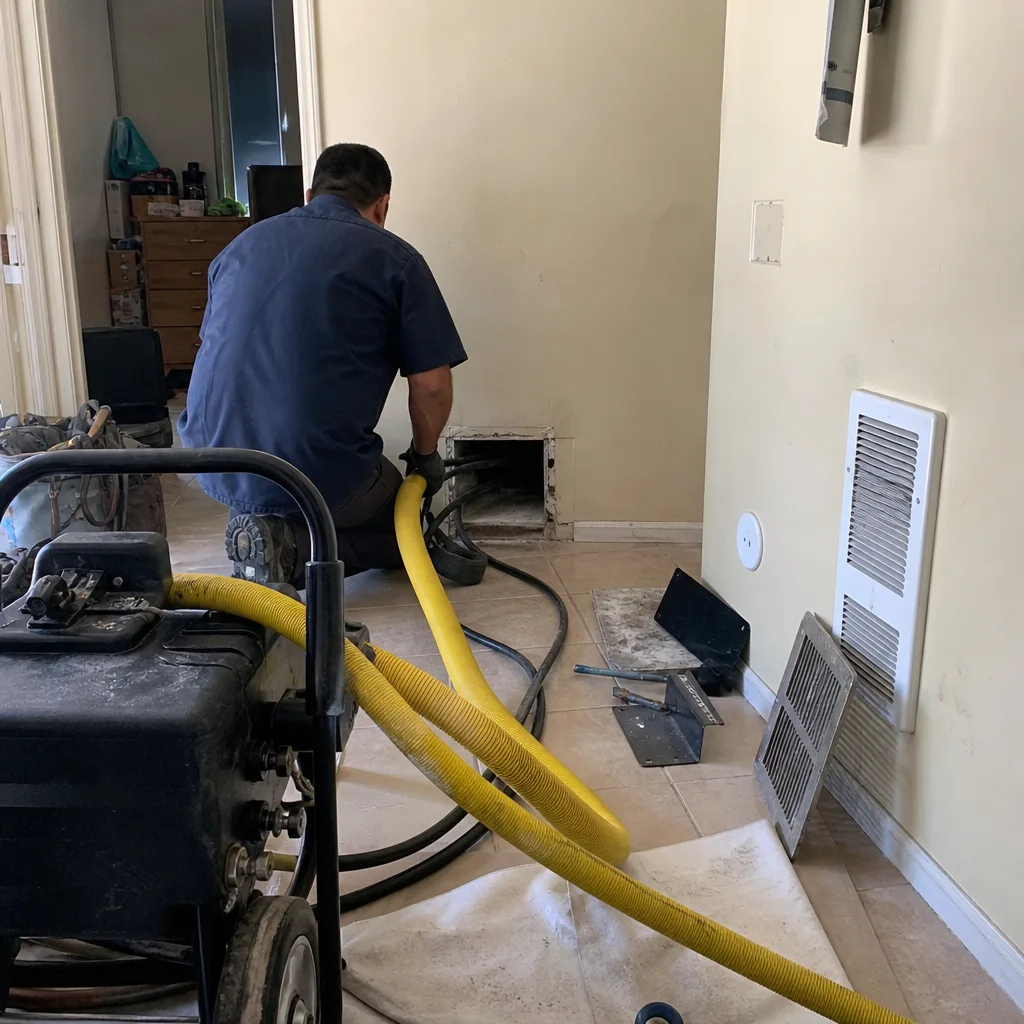 Before
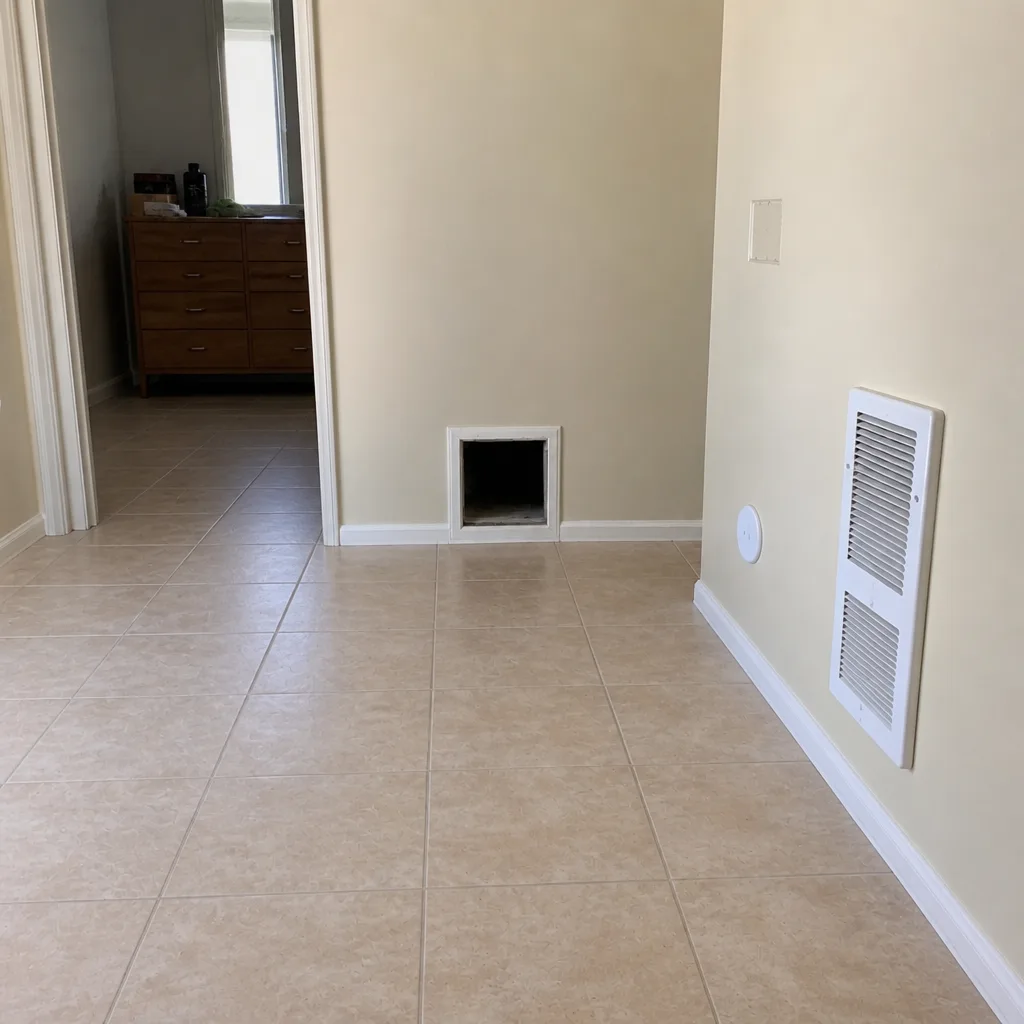 After
When to Call a Professional
Most ducts don’t need cleaning on a schedule; they need it after a specific trigger. Call a professional when somebody in the house has started reacting to the air (allergy symptoms that flare up indoors), when a musty odor shows up in one room regardless of whether the AC is running, when energy bills climb without a rate change, or when a recent inspection turned up dust or debris in the system. Call after a remodel that put drywall dust into the air, or when a home has sat vacant and the ducts haven’t seen a technician since before it was closed up. Any home with pets, smokers, or a family member with asthma is a stronger candidate. Stanton Air Duct Cleaning Pros offers free estimates in Stanton; call (877) 820-9417 to book one.
Frequently Asked Questions
A whole-system job in Stanton runs $350 to $800 in 2026 for standard tract-construction ductwork, depending on home size, number of returns, and duct material. A 1,500 sq ft home usually lands near $350 to $475, a 2,000 sq ft home around $450 to $600, and a 2,500 sq ft home in the $550 to $800 range. The written estimate sets the final price. Call (877) 820-9417 for an exact quote; estimates are free.
Cheap quotes are almost always scopes with the expensive phases removed: no negative-pressure containment, no rotary agitation, no coil or blower cleaning, and no documentation. The technician shows up, wipes the registers, and the invoice grows once they’re inside. Ask any low quote what equipment and scope is actually included before you compare it against the higher number. Call (877) 820-9417 to talk through what full-service scope looks like.
You know because you have before-and-after photographs of your own system and a written summary of what was cleaned, attached to your invoice. Any contractor who can’t produce those after the visit didn’t do a job you can verify. Ask for this in the quote. Call (877) 820-9417 for a free estimate that includes documented proof.
Most Stanton homes don’t need it on a fixed timetable. Trigger-based cleaning, driven by symptoms, odors, remodels, or inspections, is a better rule than the annual schedule some companies sell. Homes with pets, smokers, or someone with asthma are the strongest candidates for more regular attention. Call (877) 820-9417 to talk through whether your home is a candidate.
Whole-system pricing is the better structure for a typical Stanton home, because it charges one flat fee for the entire system and doesn’t create an incentive to skip returns, the air handler, or the plenum. Per-vent pricing pays by the branch, which can reward speed over thoroughness. Ask for a whole-system price whenever you get a quote. Call (877) 820-9417 for a flat, whole-system estimate.
Yes, duct material is one of the biggest drivers of cost variation. Flex duct is the quickest to clean thoroughly, rigid sheet metal takes more time to brush and seal, and duct board needs a gentler approach. In Stanton’s housing stock, flexible duct dominates, but older homes can have a mix. Ask your contractor to name the material they see before quoting. Call (877) 820-9417 for a free estimate that starts with an inspection.
The Bottom Line
The $299 quote and the $750 quote on the same Stanton home are only comparable if they cover the same work. A fair quote prices the whole system, not the registers; it includes negative-pressure containment with proper HEPA equipment; it covers coil and blower cleaning; and it produces documentation you can hand to anyone who asks. The 2026 ranges for Stanton homes are $350 to $475 for 1,500 sq ft, $450 to $600 for 2,000 sq ft, and $550 to $800 for 2,500 sq ft, with duct material, returns, and air handler access moving the number within those bands. Anything far below those ranges is a scope reveal, and anything far above deserves a written reason. A flat price per system, agreed in writing before work starts, is the standard to hold every Stanton quote against.
If you want a quote that reflects the equipment, the scope, and the documentation, call Stanton Air Duct Cleaning Pros at (877) 820-9417. Our technicians have up to 13 years of experience, we use Rotobrush rotary brush systems and Nikro negative-air machines on every residential job, and we handle duct cleaning, dryer vent cleaning, HVAC cleaning, duct repair and sealing, and air sanitizing under one roof. We answer 24/7. Fast dispatch from 7am to 7pm, Sunday through Friday. Estimates are free, and the written estimate sets the price.
Written by the team at Stanton Air Duct Cleaning Pros.