
Last updated November 23, 2026
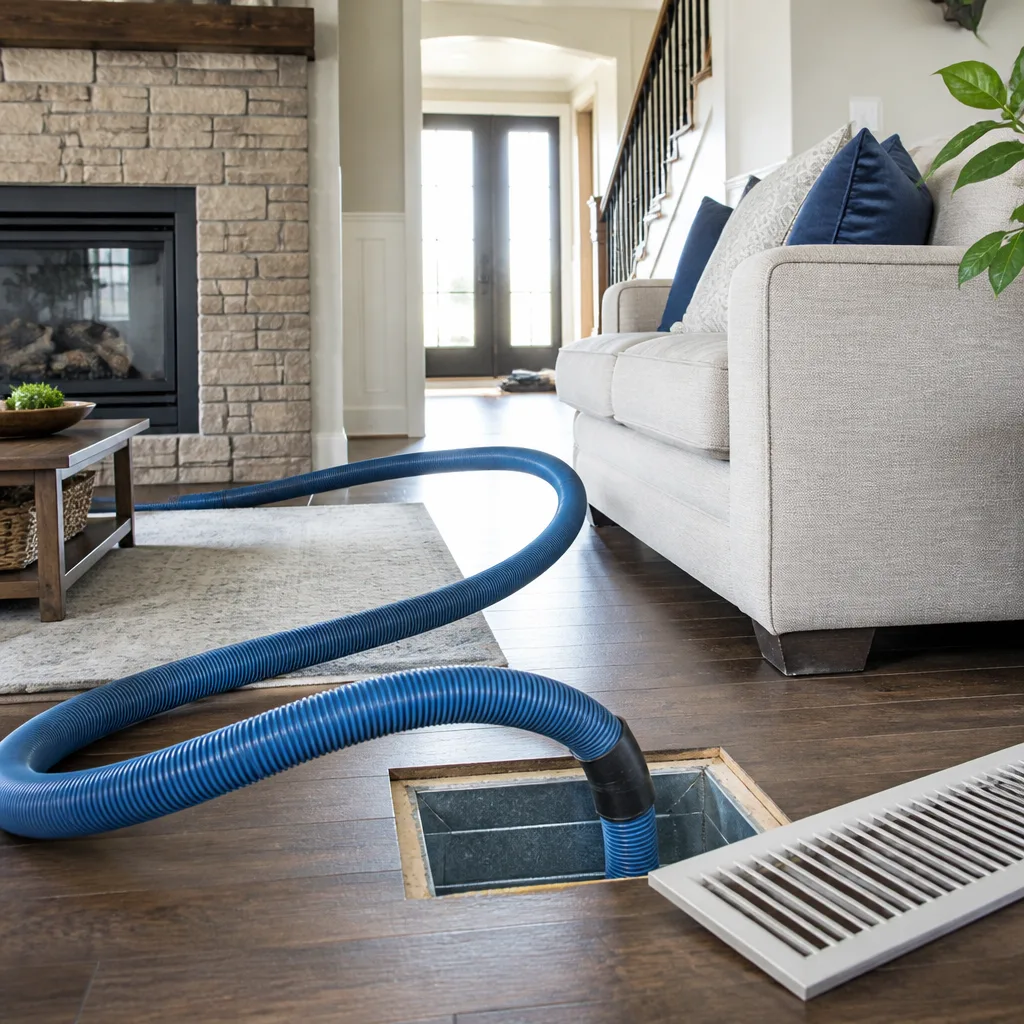 Whole-home duct cleaning
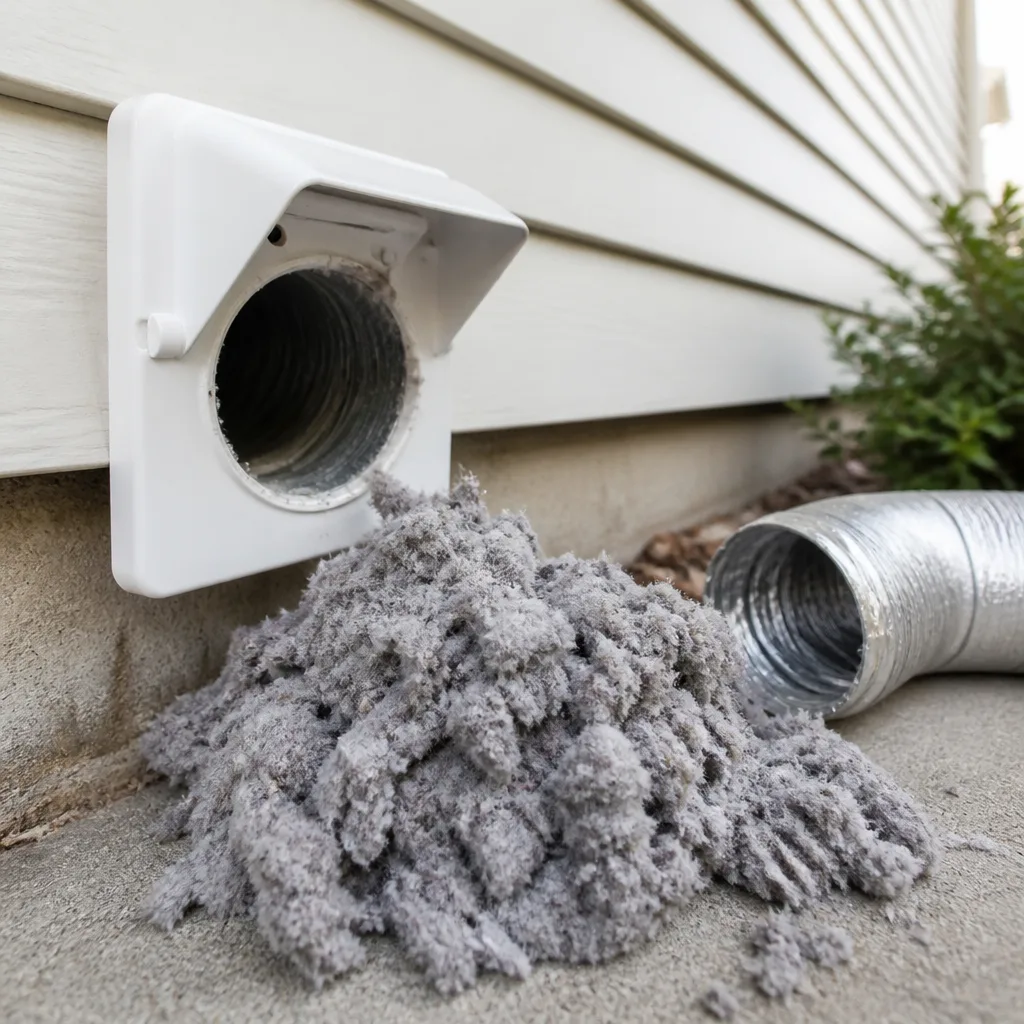 Dryer vent cleaning
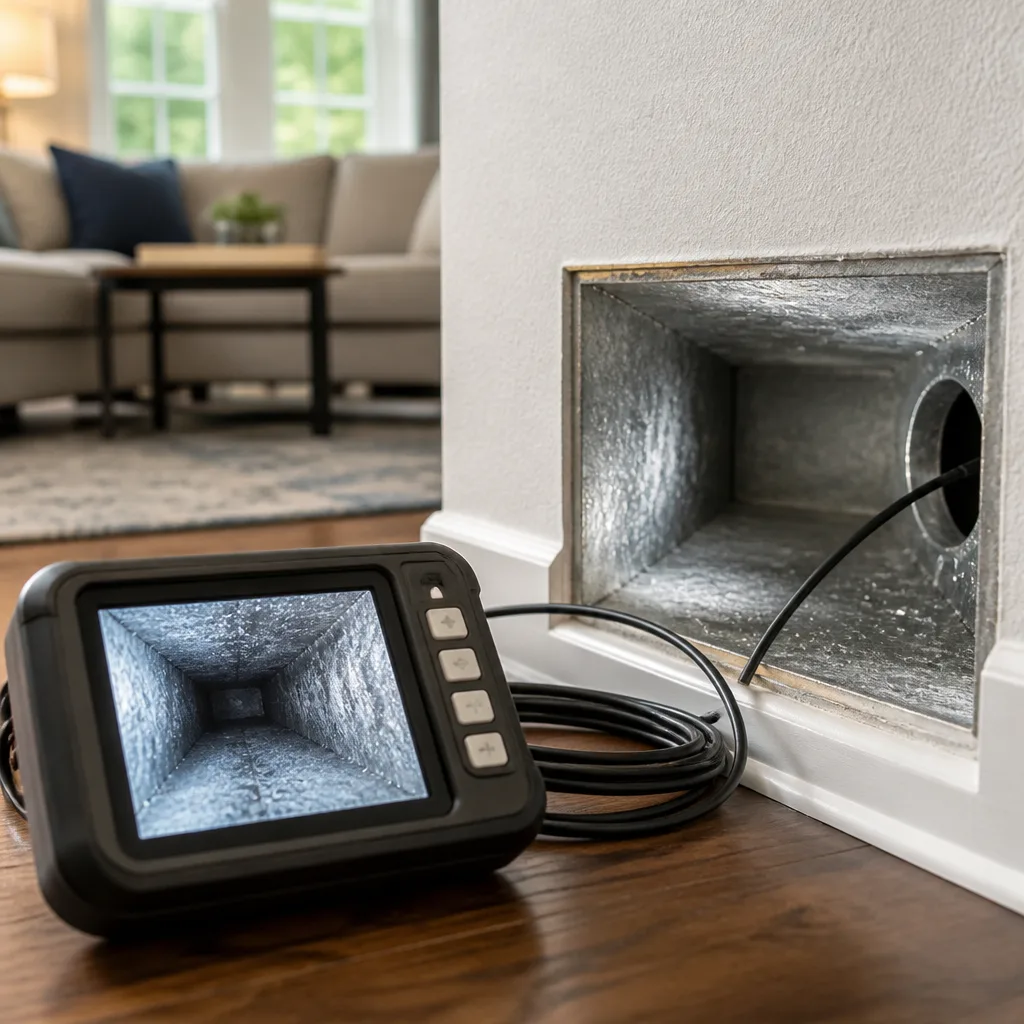 Camera inspection
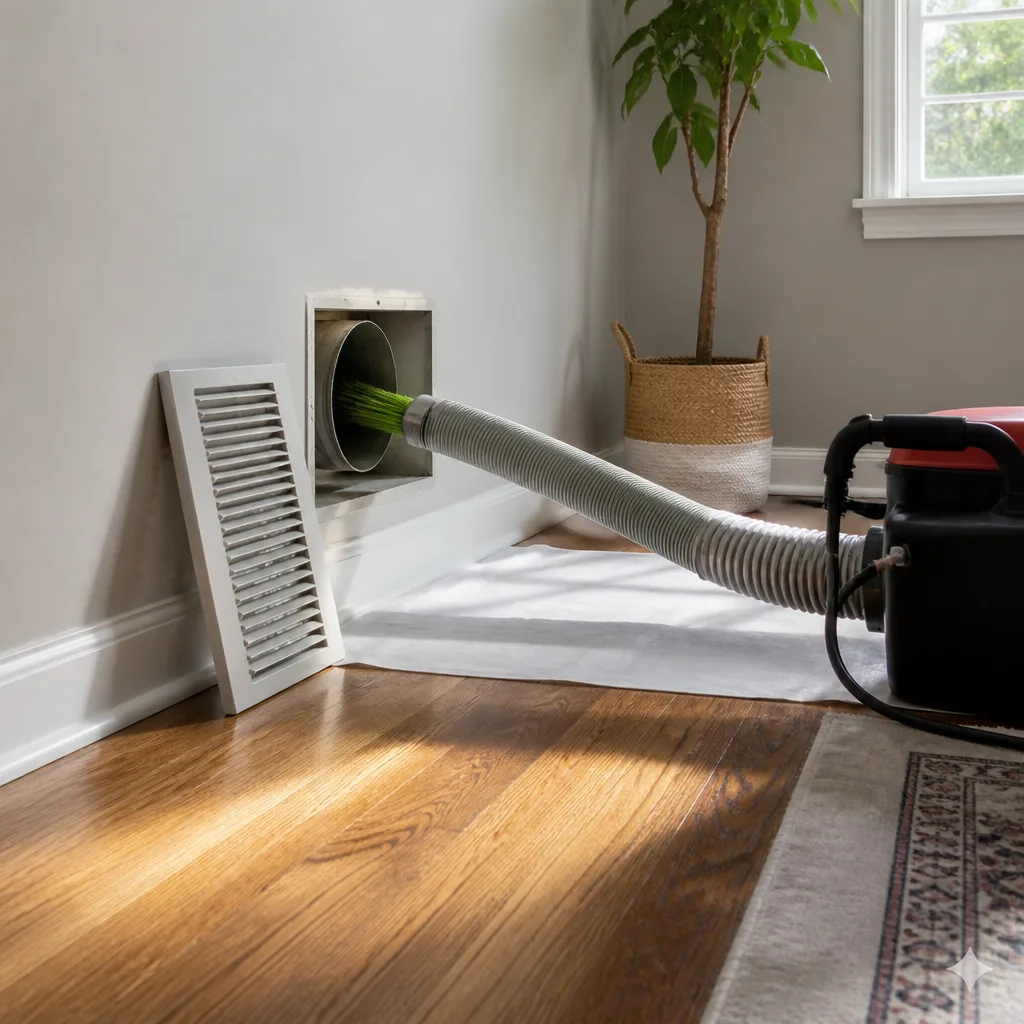 Sanitizing & deodorizing
Whole-system duct and dryer vent check with before-and-after photos - you see exactly what came out of your vents
That "$99 whole-house special" is a bait ad - the real number appears once they are in your hallway, or the "clean" is a shop-vac at the register. We photograph the inside of your ducts before and after instead.
How to Hire an Air Duct Cleaning Contractor in Stanton: A Step-by-Step Guide
Most homeowners in Stanton screen a duct cleaning company the same way they’d screen a locksmith: check the license, skim the reviews, compare the price. That screening gets fooled regularly. The companies that run bait-and-switch operations in Orange County carry valid licenses, collect good-looking reviews, and quote a number low enough to win the call. What separates a real whole-system service from a shop-vac and a website is equipment and process, and almost no homeowner asks about either before booking. This guide walks through the questions that do the screening for you, the contract terms to require, and the local red flags worth knowing before anyone steps into your home in Stanton.
Quick Answer
To hire an air duct cleaning contractor in Stanton, verify three things before you book: the equipment (a high-CFM industrial vacuum with real brush agitation, not a portable shop vac), the process (negative pressure maintained at the air handler and documented before-and-after photos), and the price structure (per-system, in writing, before work starts, not per-vent with upsells on-site). Ask for the model names of the vacuum and agitation tools, confirm what’s included in writing, and be suspicious of any quote that seems designed to be replaced with a bigger one once the technician is inside.
Styles & brands we work with
- Whole-home duct cleaning
- Dryer vent cleaning
- Camera inspection
- Sanitizing & deodorizing
Table of Contents
- Why the Stanton market rewards careful screening
- The three equipment questions to ask before booking
- What NADCA membership does and doesn’t tell you
- How to spot a bait-and-switch price structure
- Contract terms to require before work starts
- Antimicrobial fogging and what real sanitizing involves
- What a thorough Stanton job actually looks like
- Common mistakes to avoid
Why the Stanton Market Rewards Careful Screening
Duct cleaning has an unusually low barrier to entry compared with most home services. A company doesn’t need a specialized contractor classification to clean ducts, and the tools that technically qualify as a duct vacuum can be bought for the price of a decent lawnmower. That combination draws a steady stream of pop-up operators into Orange County’s dense residential market, where a single townhouse tract can generate dozens of quick calls before word of mouth catches up. The homeowner typically can’t tell a $400 real job from a $2,000 real job until the invoice lands, which is exactly the gap a bait-and-switch operation is built for.
Stanton’s housing stock makes this especially relevant. Much of the city’s residential inventory is mid-century tract housing and apartment communities built between the 1950s and 1980s, with duct systems that were often retrofitted or extended over the decades. Original galvanized ducts, flex-duct replacements, and mismatched additions are common in the same 1,200-square-foot floor plan. A thorough job on that kind of system needs real suction and real agitation at the branch lines, not just a pass over the registers. The same housing pattern also means leaks at joints and poorly sealed connections are frequent, which is why Stanton Air Duct Cleaning Pros treats sealing as part of the scope rather than a separate upsell.
Weather plays a smaller role here than in other parts of the country, but indoor air quality is still affected by year-round use of heating and cooling, a low but constant presence of outdoor dust from dry inland summers, and the closed windows that come with running the AC through most of the summer. In our experience, a system that hasn’t been cleaned in five years shows visible buildup at the air handler and near the first branch takeoffs long before a homeowner notices a smell or an allergy symptom. Southern California humidity stays modest, which means you’re not fighting mold growth in the ducts the way coastal or humid climates do, but dust, pet hair, and construction debris accumulate just the same.
The Three Equipment Questions to Ask Before Booking
If you only ask one category of question before hiring a duct cleaning contractor in Stanton, make it equipment. It’s the single clearest dividing line between a company that can do a real whole-system job and one that can’t. Here are the three questions, in the order that matters most.
- What’s the CFM rating of your vacuum? CFM stands for cubic feet per minute and measures how much air the vacuum can pull. Professional truck-mounted and high-capacity industrial units pull several thousand CFM. Portable shop-vac-style units run in the hundreds. A low-CFM vacuum can’t create the negative pressure needed to pull debris out of a long branch line, so the work is only as good as the suction behind it. Any company worth hiring can tell you the model name and rough CFM of the unit arriving at your door.
- What agitation method do you use? There are three basic approaches: rotary brush systems like the Rotobrush line, air whips, and compressed-air-only devices. Rotary brushes reach the duct walls mechanically and knock the debris loose; air whips work well on larger diameter flex duct; compressed-air-only tools barely touch the duct surface. The strongest companies use more than one method and can explain why they choose a given tool for a given job.
- Are you maintaining negative pressure at the air handler throughout the job? This is the question that separates real operators from the rest. Negative pressure at the air handler means the vacuum is pulling air from the system into the collection unit rather than letting debris blow back into living space. A Nikro negative-air machine does this job well because it’s built for containment and HEPA filtration, not just suction. If the answer is “we just make sure the system is off while we clean,” that’s not the same thing.
Ask for the model names in writing before the job is booked. A legitimate company will name their equipment without hesitation, because the tools are their main credibility signal. Our own work is built around Rotobrush rotary cleaning and Nikro negative-air extraction on every job, and we’re glad to explain what each piece does before we start.
What NADCA Membership Does and Doesn’t Tell You
NADCA (the National Air Duct Cleaners Association) publishes the ACR standard, the industry’s reference document for how a duct cleaning should be performed. Membership in NADCA is a meaningful signal: it means a company has chosen to align itself with the industry body and at least nominally with the standard. But it’s a starting point, not a guarantee.
Membership itself isn’t the same as certification. NADCA offers an Air Systems Cleaning Specialist (ASCS) certification to individual technicians, and a company can be a member while the technician arriving at your home has no certification at all. Ask whether the technician who will actually do the work holds ASCS certification. If the company can’t tell you the name of the technician or the certification status, you’re learning something about how they operate.
The second gap is between certification on paper and compliance on the job. The ACR standard covers specifics like maintaining negative pressure, source removal of debris rather than chemical encapsulation, cleaning of the air handler and coil, and documentation of the work. A company can hold the card and still skip the documentation. The way to close that gap is to ask for the actual process in writing before you book:
- Which components are included in the cleaning (supply and return trunks, branch lines, registers, air handler, plenum, coil)?
- What documentation method is used for the before-and-after record (still photos of each access point, video, or a written report)?
- Which visible access points will be created, and how will they be resealed afterward?
- Whether any of the work is limited by the system’s current condition, and what is explicitly excluded.
If a company treats NADCA membership as the end of the conversation rather than the beginning, push back. The standard is a guide to what should happen; the company’s process documentation is what tells you whether it will.
How to Spot a Bait-and-Switch Price Structure
The core move in the bait-and-switch playbook is simple: quote a price low enough to win the booking, then replace it on-site with a bigger number. The most common version in this industry is a low per-vent quote that turns into a much larger invoice once the technician has found “hidden mold” or “contaminated air handler” that requires additional work. By that point the homeowner is already committed and the technician is already in the house.
Legitimate per-vent pricing looks transparent and consistent. A real company will tell you how many vents are included, what each additional vent costs, and what’s included in the base price. It will also tell you what a full-system cleaning costs as a whole, because a good operator prefers to quote on the system rather than the individual vent. When we quote a job in Stanton, we price it per system, in writing, before the work starts; the written estimate is the price.
Red flags to watch for in the quote stage:
- A price that seems well below the rest of the market (as a rule of thumb, a whole-system residential cleaning is not a “$99 special” service, whatever the flyer says).
- A quote that doesn’t name the equipment, the access points, or the documentation.
- A pitch that includes “free mold inspection” bundled with the cleaning; a free inspection is a sales tool, not a service.
- Any language suggesting the technician will “assess and quote on-site” for the main job; the main job should be quoted before booking.
- Payment in advance before any equipment has been unloaded.
The simplest protection is to require a written estimate before work starts, insist that any additional work requires written approval of a separate line item, and ask what the final bill will be before the technician leaves the property. A company that can’t produce that document is a company that intends to have room to change the number once you’re inside. For a more detailed breakdown of what the work actually covers, our air duct cleaning service page walks through the whole-system scope.
Contract Terms to Require Before Work Starts
The written estimate is not just a price; it’s the scope of the job. The terms below are what a fair contract will include in Stanton, and what it will leave out.
- Access points in writing. The contract should specify how many access points will be created, where they will be, and how they will be resealed after the job. Vague language like “as needed” lets a company cut corners or add cuts without telling you.
- Documentation method. Ask what the before-and-after record will look like. Real operators shoot stills at each access point before and after cleaning. Some also offer video. The documentation is your proof the work happened.
- Scope of cleaning components. The estimate should name what’s included: supply trunks, return trunks, branch lines, registers, air handler housing, evaporator coil, plenum. Duct cleaning that skips the air handler is half a job.
- What’s excluded. A legitimate estimate will say what the work doesn’t cover: dryer vent, kitchen exhaust, and any repair work discovered during cleaning. Exclusions protect both sides.
- Approval process for additional work. Any on-site recommendation to add work, replace a component, or apply a treatment should require written approval of a separate line item. If a technician adds work without a signed change, you haven’t agreed to pay for it.
- Payment terms. What’s due when. Standard practice is payment on completion of the agreed scope, not in advance.
If a company is reluctant to put these items in writing, that tells you something. The reluctance is the answer.
Antimicrobial Fogging and What Real Sanitizing Involves
“Antimicrobial fogging” is one of the most commonly upsold add-ons in the Southern California duct cleaning market, and it’s one of the least regulated. The pitch is simple: after cleaning, the technician fogs the ducts with an antimicrobial product, and the homeowner is told the system is now “sanitized.” The pitch often carries a price tag north of $300, and the treatment itself is typically a generic aerosolized product with no documented effect on the duct system’s future contamination.
Legitimate sanitizing is narrower and more technical than the fogging pitch suggests. What real air quality work involves at the equipment level:
- Source removal first. No treatment does anything useful on top of debris. Cleaning the ducts and air handler comes first; sanitizing is only meaningful as a step after source removal.
- Equipment appropriate to the containment work. Real air quality treatment in a residential system is done in coordination with negative pressure, so the product doesn’t escape into living space. Abatement Technologies equipment is in the same category used in mold and restoration remediation, which is the standard of containment a real job should meet.
- Application matched to the actual issue. If the inspection found microbial growth, the treatment plan should address the growth specifically. If there’s no visible growth, a generic fogging is a solution in search of a problem.
- Documentation of the work. The treatment, the product, and the areas covered should appear in the written report. “We sprayed something” is not documentation.
In our experience, most homes that ask about sanitizing actually need source removal and duct sealing first, not a fogging. Full-system coverage under one roof is what allows that distinction to be made honestly: HVAC cleaning and air quality treatment happen together, and work with systems built around Honeywell and Aprilaire whole-home air quality products often need a component check along with the treatment, not just a spray. We use Abatement Technologies filtration equipment in sanitizing work because the standard is documented, defensible results, not a chemical smell that fades in a week.
What a Thorough Stanton Job Actually Looks Like
A real whole-system job in Stanton runs through the same sequence every time, whatever the equipment brand on the label. The order matters, because skipping a step at the front means re-doing it at the end.
- Walkthrough and system mapping. The technician locates every register, identifies the trunk and branch layout, finds the air handler, and notes any existing access points before cutting new ones. This is also when the technician notes what the estimate is likely to leave out (dryer vent, kitchen exhaust, or repair work).
- Containment setup. A negative-air machine is set up at the air handler and connected to the collection unit. The system is powered off during cleaning so the vacuum does all the pulling. Drop cloths go down.
- Access point cuts. Access points are cut at each trunk and at the plenum. Every cut is resealed with a fitted cover at the end of the job, and the cover should be visible in the final photos.
- Rotary brush cleaning. The rotary brush is run through each branch line and the trunk, mechanically knocking loose debris from the walls of the duct. This is the step that separates a real job from a pass-over.
- Air handler and coil cleaning. The air handler housing and evaporator coil are cleaned while the collection unit pulls. This step is often skipped by companies that treat duct cleaning as a register wipe-down.
- Debris removal and containment breakdown. The collection unit is emptied into a sealed bag and removed from the property. Containment is broken down after the collection unit is sealed.
- Before-and-after documentation. The technician shoots matching stills at each access point and hands over or sends the record. This is the deliverable many companies never bother with.
- Sealing and repair (if needed). Any leaks found at joints, takeoffs, or connections are sealed during the same visit. This is the step where duct cleaning and duct repair merge, and it’s why specialists who do both exist separately from pure cleaning services.
The full sequence typically runs a few hours for a whole-system job in Stanton. If a company quotes thirty minutes for the same scope, the scope is not what they’re describing. Our HVAC cleaning in Stanton page walks through the air handler and coil side in more detail.
Common Mistakes to Avoid
- Booking on price alone. The lowest quote in Stanton is usually the one that changes the most once a technician is in the house. Price is a starting filter, not the deciding one.
- Not asking to see the vacuum before work starts. If a company arrives with a shop-vac-sized unit in a passenger car, you have your answer about their equipment. Ask before unloading; the truck-mounted or industrial unit should be visible.
- Accepting a per-vent price without a system-scope quote. Per-vent pricing works for a la carte jobs. For a whole-system cleaning, ask for the whole-system number in writing.
- Skipping the before-and-after documentation. If a company doesn’t photograph the work, you have no way to know what was actually cleaned. Ask what documentation you’ll receive before booking.
- Assuming “licensed and insured” is enough. General liability coverage doesn’t tell you whether the technician can operate a rotary brush and negative-air machine, doesn’t verify NADCA ASCS certification, and doesn’t guarantee documentation. It’s a floor, not a ceiling.
- Falling for the antimicrobial fogging upsell. A fogging that isn’t documented, isn’t paired with source removal, and doesn’t name the product is a line item, not a service. Real sanitizing work reads like a report, not a sales pitch.
- Calling a general HVAC company for duct work. Duct cleaning and sealing is often an add-on at general HVAC shops. Specialists do the work every day and avoid the temptation to pivot the call toward a system replacement instead.
See the difference
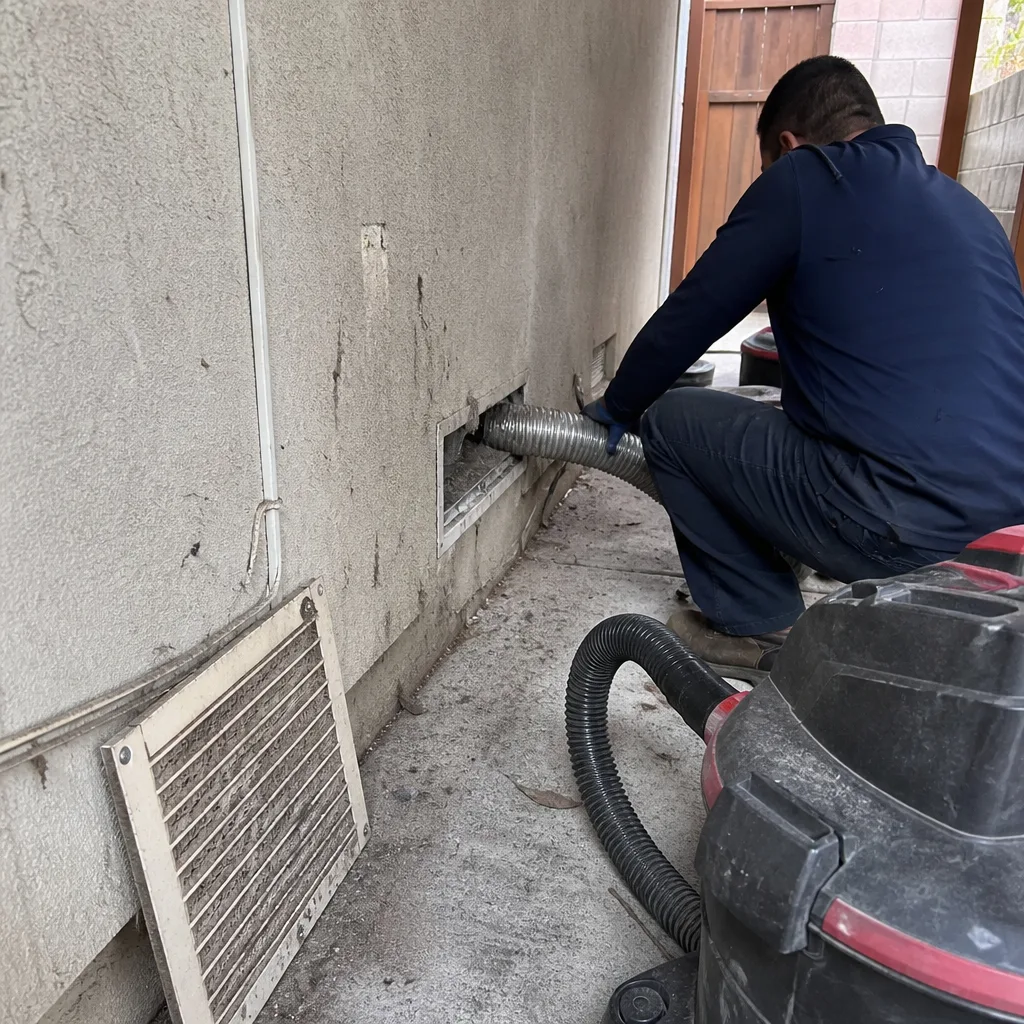 Before
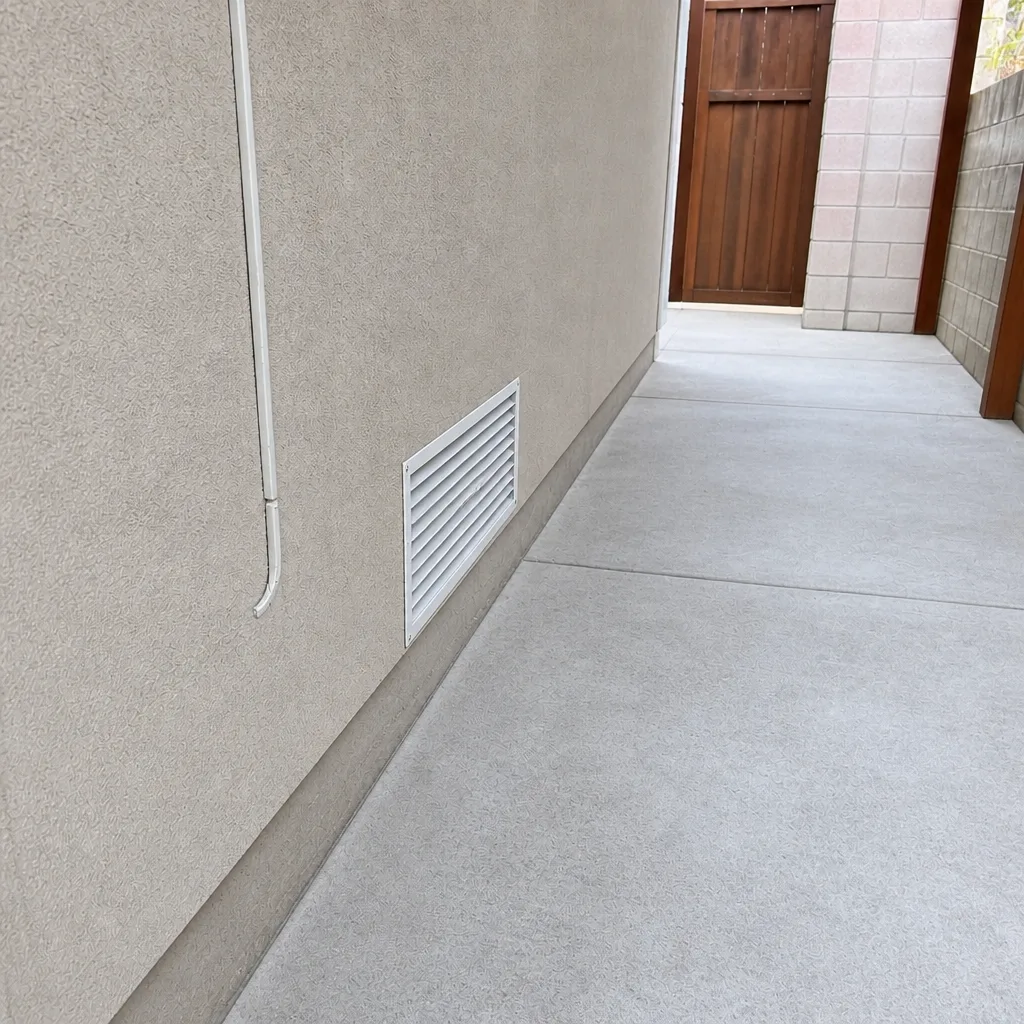 After
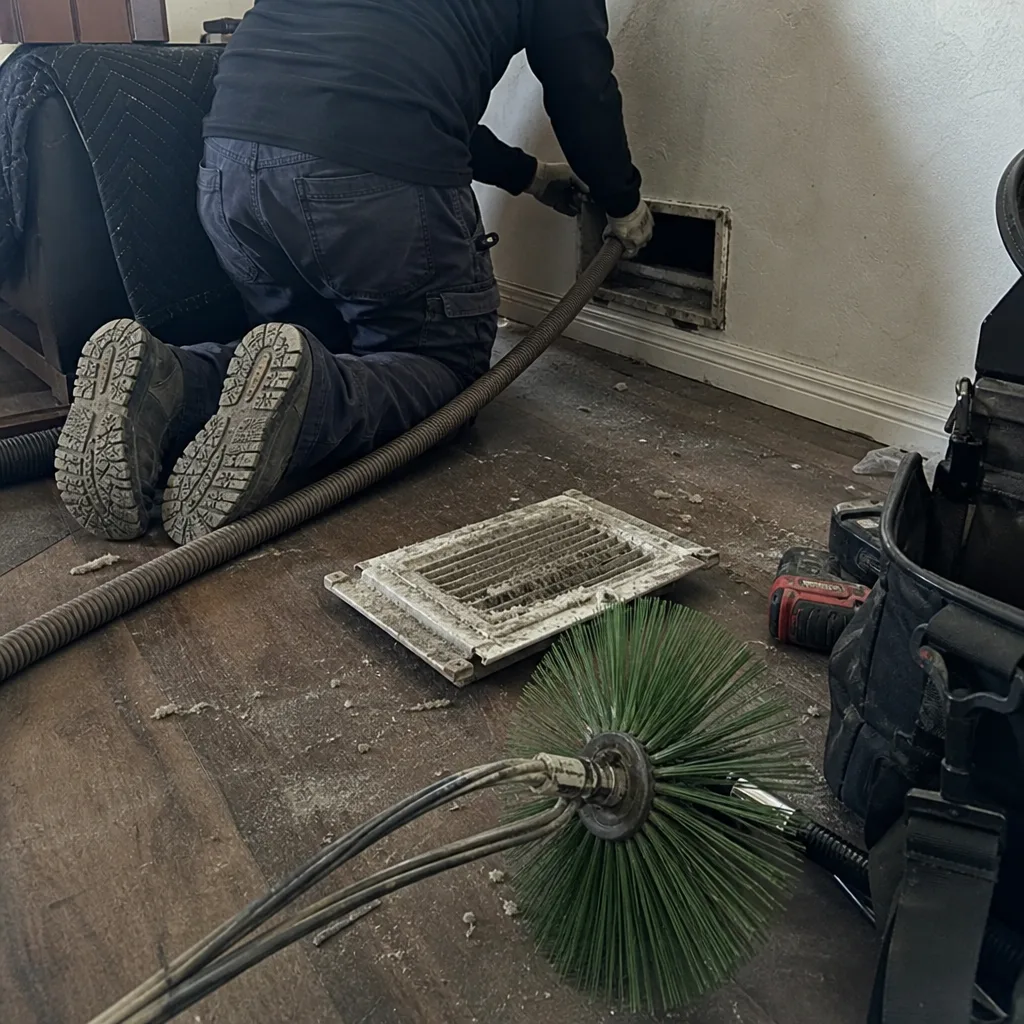 Before
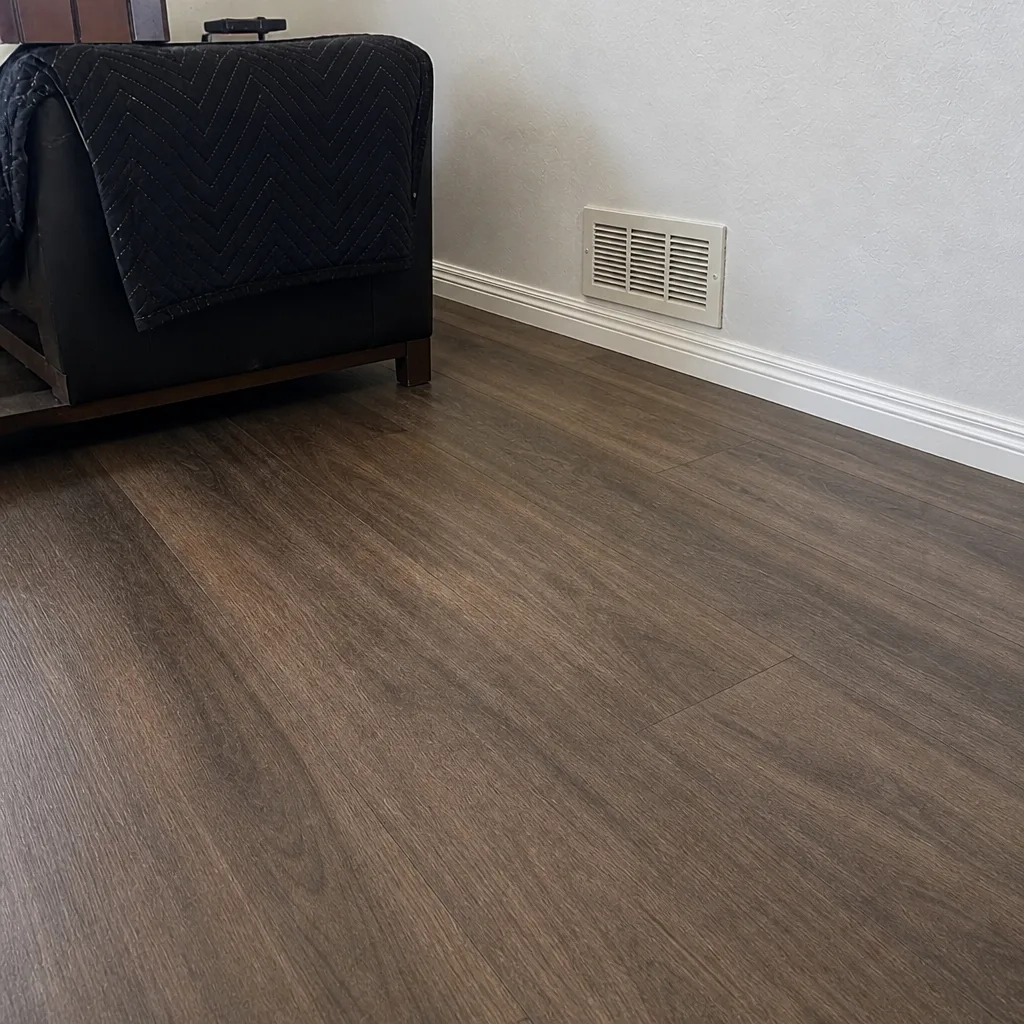 After
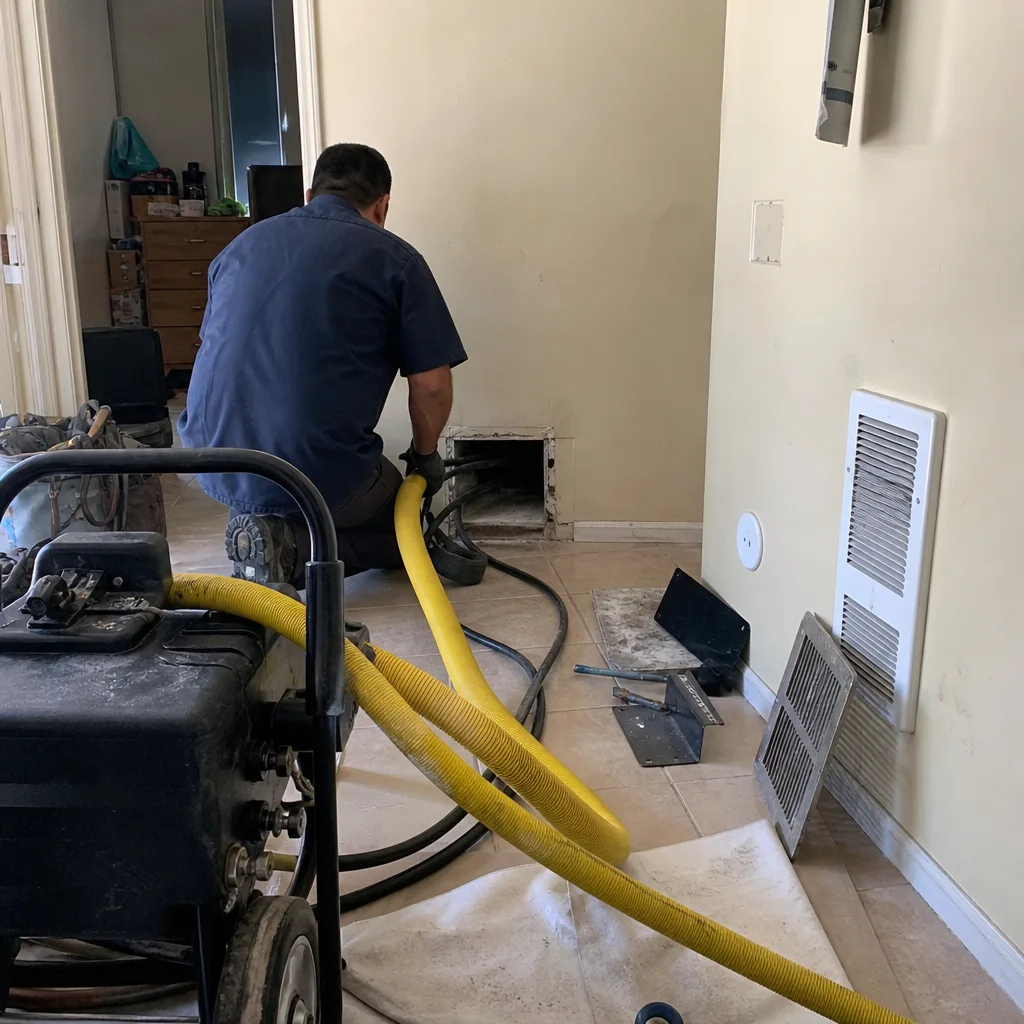 Before
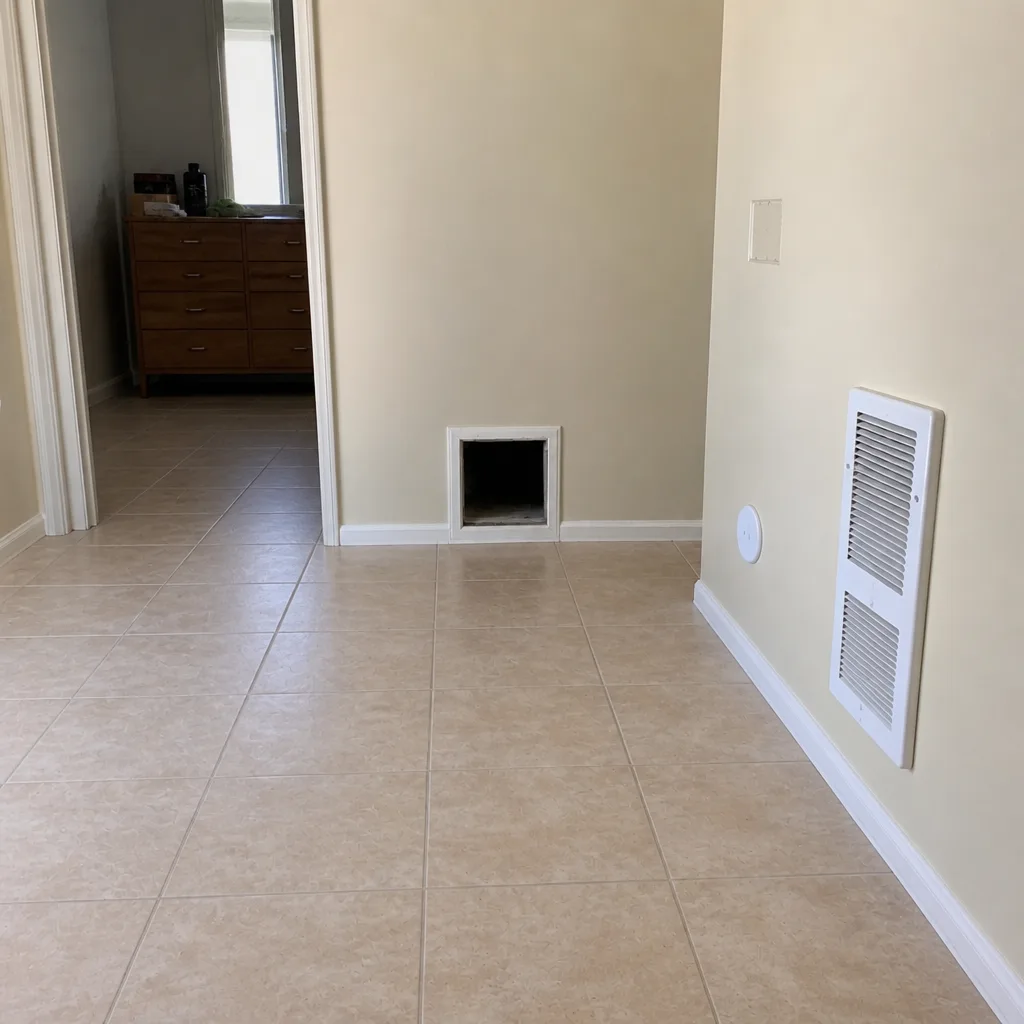 After
When to Call a Professional
Most homeowners in Stanton can wait on duct cleaning until one of a handful of signals appears. Visible dust blowing out of registers when the system starts up is the clearest. Persistent musty odors from the vents, or allergy symptoms that worsen indoors, usually indicate buildup somewhere in the system. A dryer vent that’s slow to clear clothes or runs hot is a separate issue dryer vent cleaning addresses. If you’ve recently moved into an older Stanton home and can’t document when the ducts were last cleaned, it’s worth an inspection. Same with a system that’s producing an uneven cool in one or two rooms while other rooms stay comfortable: the problem is often a leak somewhere in the trunk, not the equipment. Stanton Air Duct Cleaning Pros offers free estimates in Stanton; call (877) 820-9417 to schedule one. Our technicians have up to 13 years of experience and use professional-grade equipment from Rotobrush, Nikro, and Abatement Technologies on every job. We answer 24/7. Fast dispatch from 7am to 7pm, Sunday through Friday.
Frequently Asked Questions
Typical whole-system residential duct cleaning in Stanton runs in the hundreds of dollars, with the exact figure depending on the size of the system, the number of access points, and whether sealing or repair work is included. We price per system in writing before work starts, and the written estimate is the final price. Call (877) 820-9417 for an exact quote; estimates are free.
A far-below-market quote is usually designed to be replaced by a larger one once the technician is inside, and the most common tactic is a low per-vent price followed by an on-site recommendation for antimicrobial fogging or “mold treatment.” The equipment side explains a lot of the gap too: a shop-vac-grade unit and a Rotobrush rotary system don’t cost the same, don’t do the same job, and don’t produce the same result. Call (877) 820-9417 for a fair, written whole-system quote; estimates are free.
The before-and-after documentation is your proof: matching photos of each access point taken before and after cleaning, plus a written report of the components covered. Ask what documentation the company provides before booking. If a company can’t describe their documentation method, that’s a signal. Call (877) 820-9417 to see how we document a job; estimates are free.
Most Southern California homes with a well-sealed system and no pets or recent construction don’t need it more often than every few years, and many can go longer. Homes with heavy shedding pets, recent remodeling, or a history of moisture issues typically need it more frequently. The honest answer depends on your system, not on a sales schedule. Call (877) 820-9417 and we’ll tell you what we’d recommend for your home; estimates are free.
No. NADCA membership tells you a company has aligned itself with the industry body; it doesn’t confirm that the individual technician holds the ASCS certification, and it doesn’t verify that the ACR standard is actually followed on the job. Ask about the certification of the technician doing the work, and ask for the process in writing. Call (877) 820-9417 if you’d like to see how we document each step; estimates are free.
Usually no. Real sanitizing happens after source removal and addresses a specific issue found during inspection, not a generic “treat the whole system” upsell. If a technician recommends fogging on top of a cleaning you already booked, ask what issue the fogging addresses and request a written line item. Call (877) 820-9417 for an honest assessment; estimates are free.
The Bottom Line
The screening framework that works in Stanton rests on three verification steps: name the equipment, describe the process, and put the scope and price in writing before work starts. A company that can pass those three questions is almost certainly capable of the work; a company that can’t is going to be a problem no matter how many good reviews they carry. Compare quotes on the same scope, not on the sticker. Treat per-system written pricing as non-negotiable, treat before-and-after photos as the proof of work, and treat “antimicrobial fogging” as a line item to interrogate, not to buy. The duct system behind your walls doesn’t get more forgiving over time, and it’s not a service you want to be re-doing next year because the first company underdelivered on the equipment side.
If you’d like a free estimate in Stanton from a dedicated duct specialist using professional-grade Rotobrush, Nikro, and Abatement Technologies equipment, call (877) 820-9417. We answer 24/7. Fast dispatch from 7am to 7pm, Sunday through Friday. Our technicians have up to 13 years of experience, and we’ll walk you through exactly what a whole-system job includes before you book. You can also review our dryer vent cleaning service if that’s the more pressing issue, and read more about the full scope on our air duct cleaning page. Cleaner air starts with what’s behind the walls.
Written by the team at Stanton Air Duct Cleaning Pros.